A/B Testing for Small Traffic Sites: Reliable Methods That Work
Learn reliable A/B testing methods for small traffic sites using performance audits, page speed optimization, and data-driven decision-making.

A/B Testing for Small Traffic Sites: Reliable Methods That Actually Work
I have seen A/B testing fail on low-traffic websites because the results take a long time or look unreliable. The problem is real. I have seen small teams deal with feedback loops that raise risk and delay improvements that could lower bounce rate and raise conversions. I have learned that the solution is not traffic. I have learned that the solution is A/B testing paired with page speed basics.
This article explains how to run effective A/B tests on small traffic sites by combining performance diagnostics, focused hypotheses, and page load optimization strategies.
Why Traditional A/B Testing Fails on Small Traffic Sites
Classic A/B testing assumes high traffic volume. Small sites rarely reach significance fast enough.
Common issues include:
insufficient sample sizes
unstable server response time
inconsistent website responsiveness
unoptimized assets are increasing website loading time
Before testing variations, teams must establish a stable performance baseline using website performance tools.
Performance Noise Skews Test Results
Slow pages distort user behavior. Running Google PageSpeed Insights or a speedtest page web scan helps identify performance issues that invalidate test outcomes.
Reliable A/B Testing Methods for Low Traffic
Small traffic testing requires fewer variables and stronger control.
Effective methods include:
testing one change per page
prioritizing page load optimization first
running longer test durations
validating assumptions with qualitative data
Reducing technical friction improves signal clarity and speeds decision-making.
Focus on Speed-Related Hypotheses
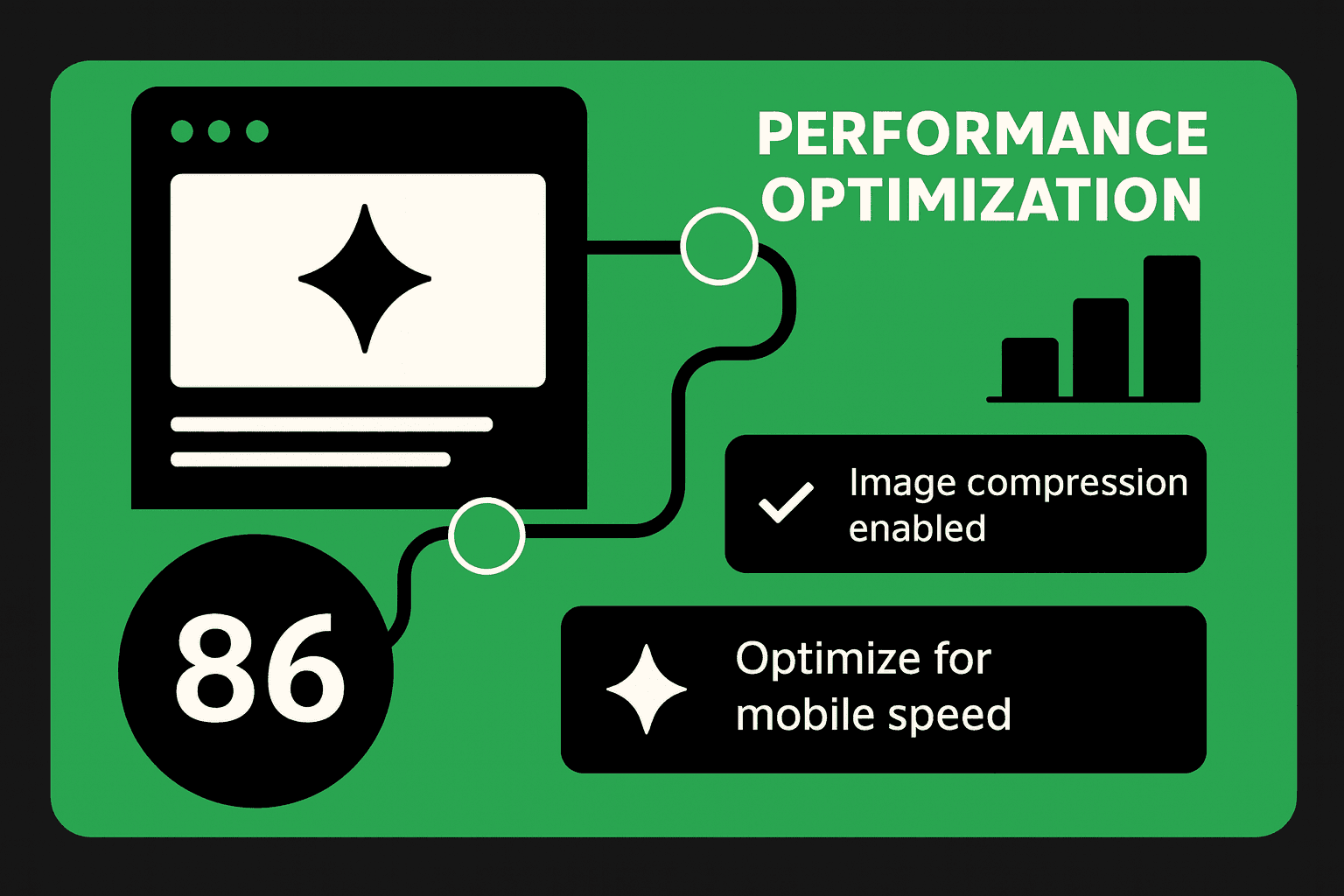
Changes that improve page speed often show impact even with limited traffic. Examples include layout simplification, asset compression, and mobile speed optimization.
Performance Optimization Before Testing
Before launching tests, stabilize the environment.
Key actions:
optimize images for the web
enable lazy loading techniques
audit scripts impacting server response time
run a website speed audit across devices
These steps reduce bounce rate and improve data reliability.
Small Changes With Measurable Impact
Performance-focused changes affect nearly every visitor, making them ideal for small traffic experiments.
A/B Testing Priorities for Small Sites
Testing Area | Why It Works on Low Traffic |
|---|---|
Page speed improvements | Affects all users immediately |
Image optimization | Improves load time and engagement |
Mobile layout tweaks | Enhances website responsiveness |
Server response tuning | Stabilizes test conditions |
Lazy loading adjustments | Reduces initial load friction |
This approach ensures faster learning without statistical overreach.
Measuring Success Without Large Samples
Instead of waiting for perfect significance:
track directional trends
monitor website loading time improvements
compare bounce rate before and after changes
validate findings with behavior patterns
When combined with performance stability, these signals are reliable.
Conclusion
A/B testing for small traffic sites works when tests are focused, environments are stable, and performance is prioritized. By improving page speed, optimizing assets, and using website performance tools strategically, teams can run meaningful experiments without waiting months for results. Reliable testing is not about volume, but about reducing noise and making every visitor count.