Conversion Friction Mapping: Finding Invisible Drop-Off Points
Learn how conversion friction mapping reveals hidden drop-off points caused by page speed, website loading time, and performance issues.
Conversion Friction Mapping: Finding Invisible Drop-Off Points
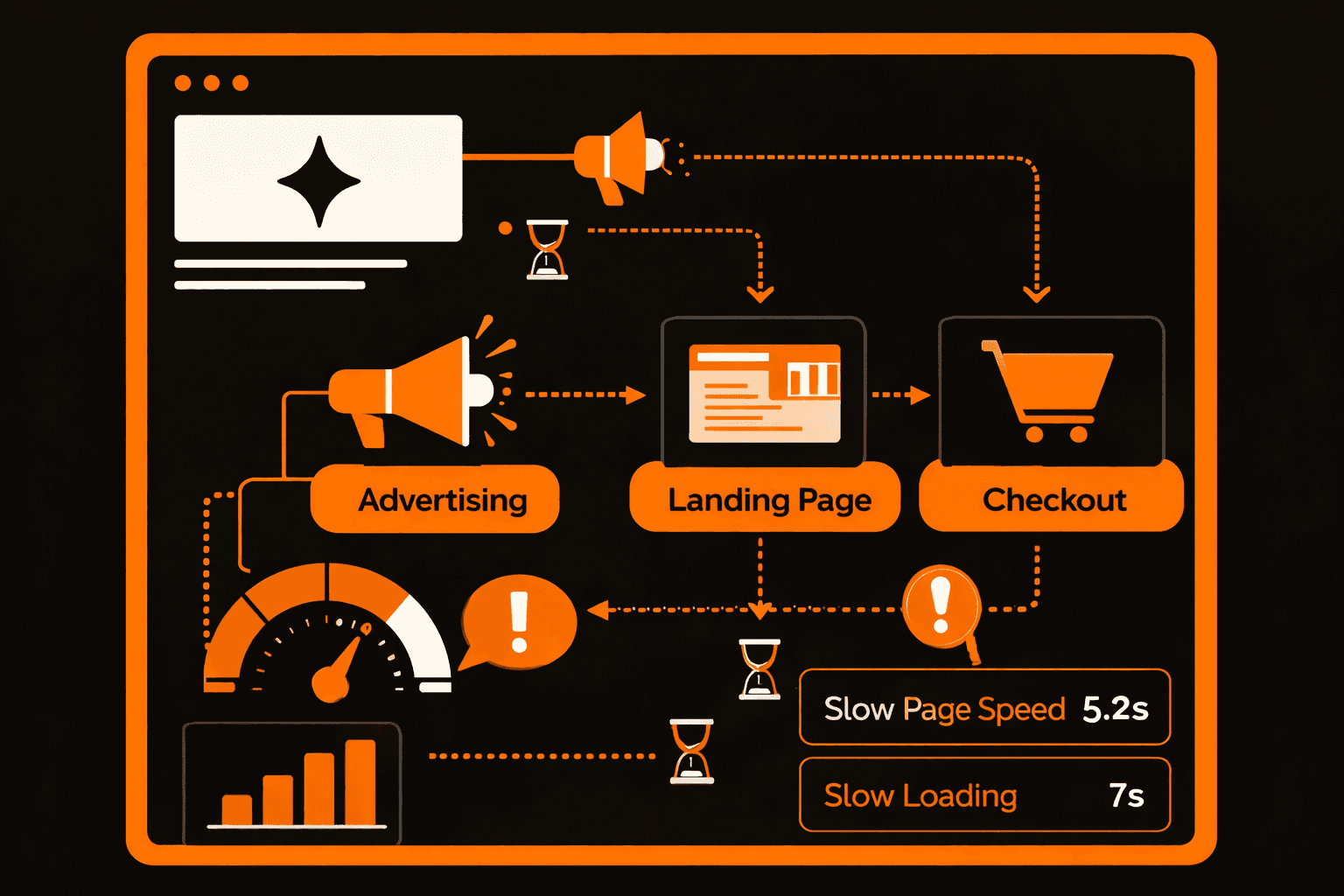
Many teams struggle to cut drop‑offs when the funnels look good on the surface. The problem is the website's loading time. Website loading time creates hesitation and frustration. Website loading time causes users to leave before they even reach the step.
Conversion friction mapping helps find where the technical performance and the user perception break the flow.
Conversion friction mapping works when there are no UX issues visible. I have used conversion friction mapping in projects. Saw the flow break.
What Conversion Friction Mapping Actually Measures
Conversion friction mapping focuses on moments where users pause, hesitate, or leave due to performance and responsiveness issues.
These friction points are often linked to:
slow page speed during transitions
delayed server response time
heavy assets affecting website loading time
poor website responsiveness on mobile
Unlike usability issues, friction is often invisible without performance data.
Why Traditional Funnel Analysis Misses Friction
Funnels show where users leave, but they do not explain why delays cause frustration before intent is expressed.
Performance Signals That Create Invisible Drop-Offs
Even small delays can disrupt decision-making and reduce confidence.
Common friction triggers include:
unoptimized images that block rendering
missing lazy loading techniques on long pages
third-party scripts delaying interaction
mobile speed optimization gaps
These issues increase abandonment without generating explicit errors.
Mapping Friction Using Performance Data
Effective conversion friction mapping combines behavioral data with performance diagnostics.
Friction Signal | What It Indicates | Recommended Action |
|---|---|---|
High bounce rate | Slow initial load | Improve page load optimization |
Delayed interaction | JavaScript blocking | Reduce server response time |
Mobile exits | Poor responsiveness | Mobile speed optimization |
Funnel stalls | Heavy media assets | Optimize images for the web |
Inconsistent speed | Infrastructure issues | Website speed audit |
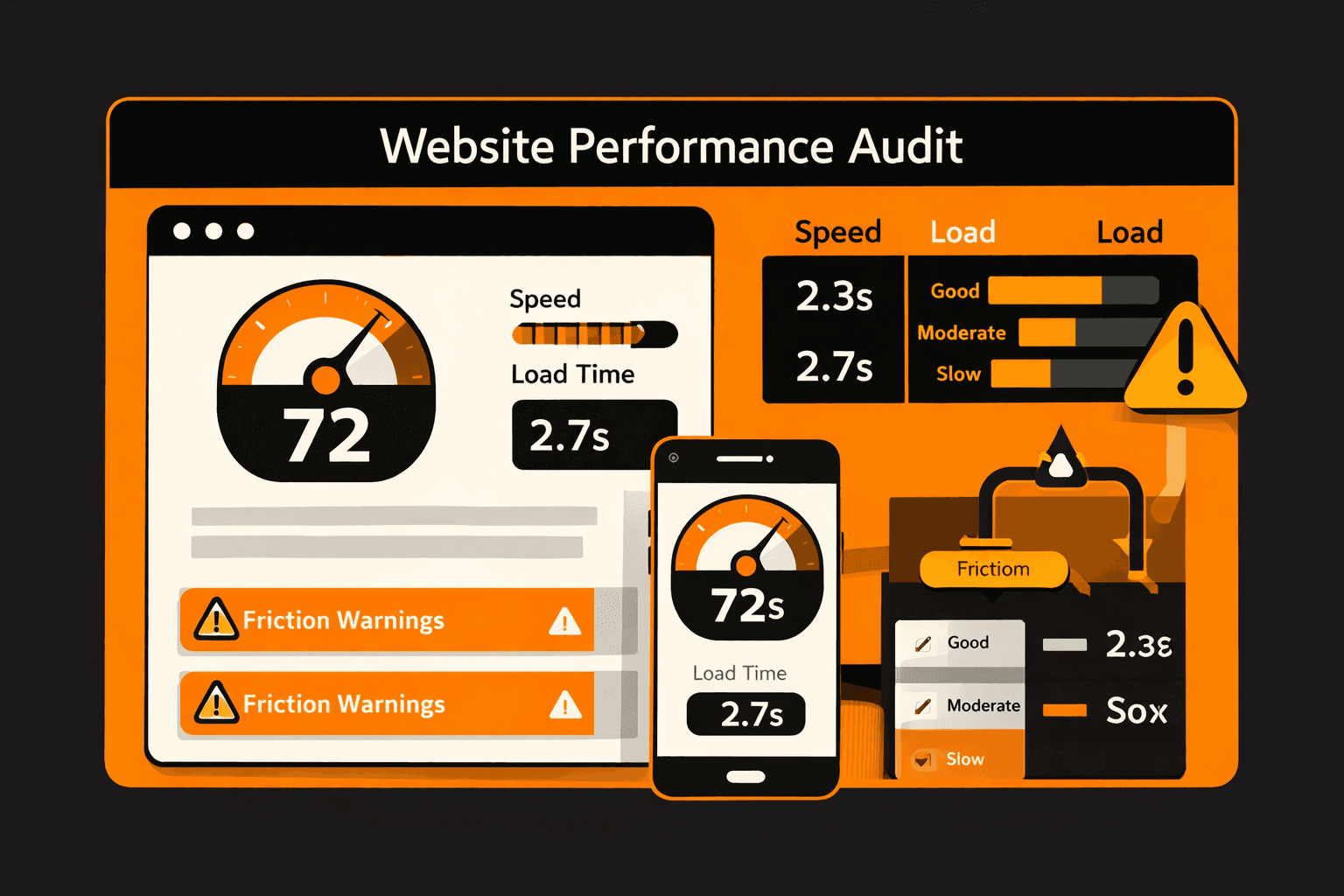
Performance insights from Google Pagespeed Insights help validate where friction aligns with user drop-off.
Tools That Support Conversion Friction Mapping
Several website performance tools help detect friction early:
speedtest page web for load consistency
performance waterfalls for asset analysis
real-user monitoring for responsiveness gaps
These tools reveal where perceived speed differs from actual speed.
Speed vs Perception
Users react to perceived delays, not raw metrics. Even acceptable load times can feel slow if there is no feedback.
Reducing Friction Without Redesigning
Many friction issues can be resolved without UI changes.
High-impact fixes include:
improving page load optimization
applying lazy loading techniques
compressing images and fonts
stabilizing server response time
These changes help reduce bounce rate while preserving the existing design.
Conclusion
Conversion friction mapping exposes the silent performance issues that disrupt decision-making. By focusing on website loading time, responsiveness, and page speed signals, teams can uncover invisible drop-off points and improve conversions without redesigning entire flows.