Conversion Path Lag How Long Users Take to Decide
Learn why conversion path lag happens and how performance factors like page speed and website loading time influence decision delays and user trust.
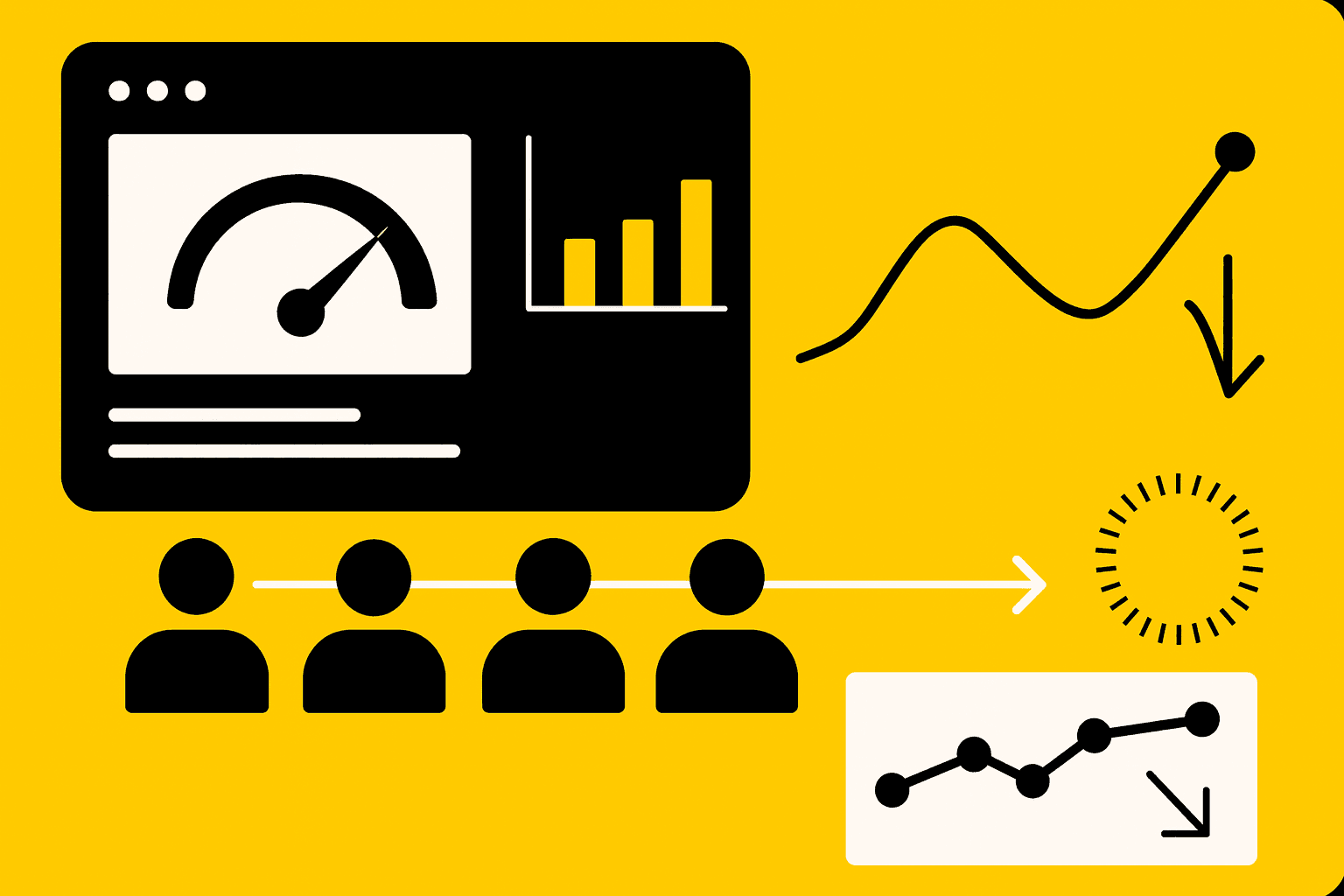
Conversion Path Lag: How Long Your Users Really Take to Decide
Conversion path lag describes the time users need to make a decision, and this delay often depends on trust, clarity, and page speed. When users experience interruptions during navigation, their journey becomes longer, and conversion rates drop. Strong performance creates stability and confidence early in the process.
Why Performance Affects Conversion Path Lag
Many businesses underestimate how long users explore a website before taking action. Delays happen when pages feel unstable or slow. Poor website loading time reduces confidence and increases hesitation. Users make decisions faster on websites that load smoothly.
How Slow Websites Extend Decision Making
When performance drops, the conversion path becomes longer. Delays often come from heavy files, weak servers, or missing optimization. A quick check with Google Pagespeed Insights helps identify the main bottlenecks that cause users to pause or abandon the process.
Key causes of extended decision time
Heavy images without optimized images for web steps
Weak hosting that increases server response time
Missing lazy loading techniques for large elements
Poor tuning of scripts and interactions
Irregular checks with website performance tools
Better performance makes decisions faster and reduces cognitive pressure.
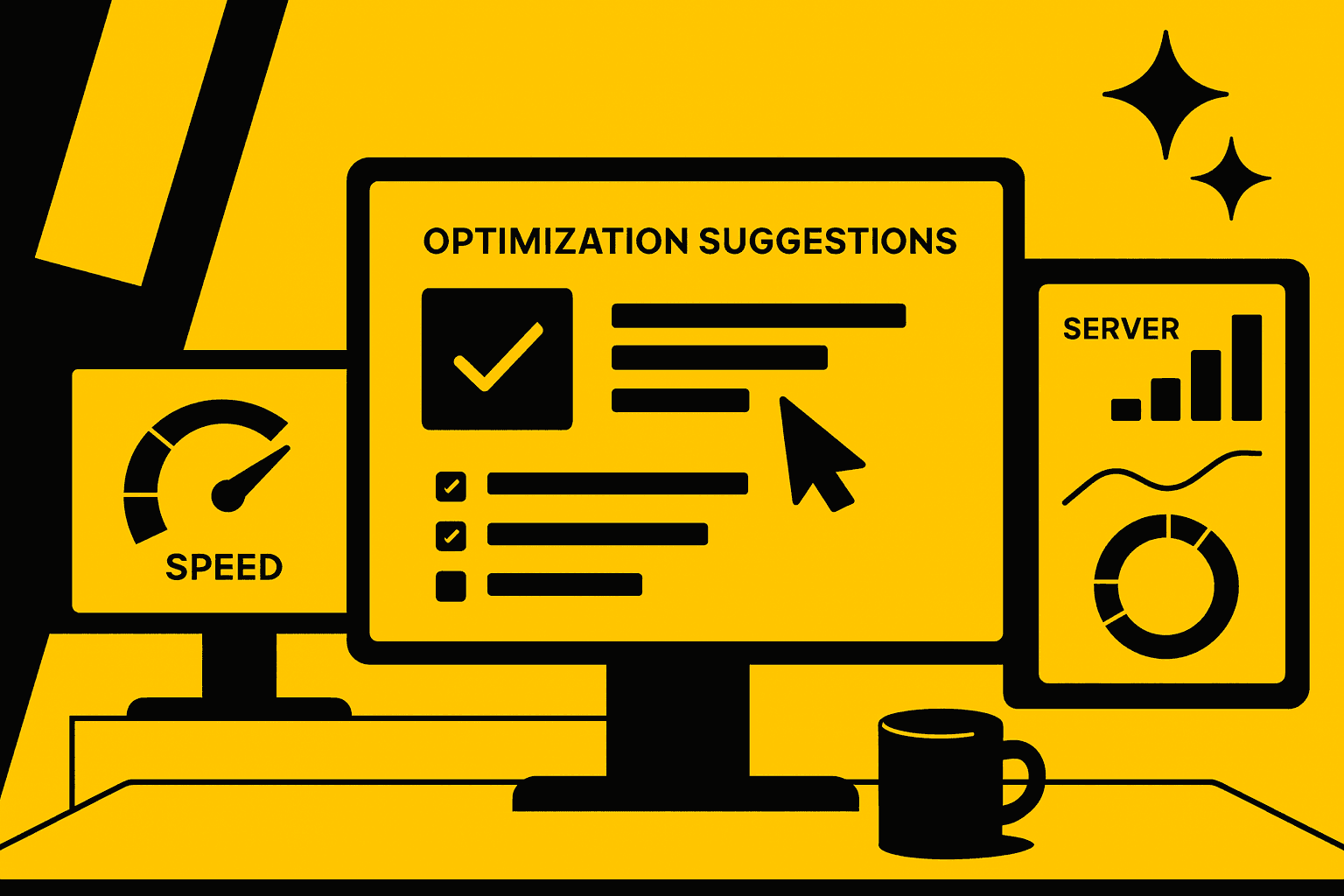
Why Users Pause Before Converting
Users often pause because they do not feel confident or because the website acts unpredictably. Smooth website responsiveness reduces hesitation and keeps visitors moving forward. When interactions lag, people lose trust and slow down their decision process.
How to reduce page friction
Run a website speed audit to detect issues
Apply strong page load optimization settings
Improve mobile experience with mobile speed optimization
Test reliability with a Speedtest page web evaluation
These steps shorten the conversion path and encourage fast action.
Shortening the Time to Convert Without Redesign
You can reduce conversion delays without changing the UI. The main improvements come from a stronger structure, faster pages, and consistent communication. Users convert sooner when the process feels stable.
Examples:
Clear steps with simple wording
Predictable layout behavior
Visible benefits at the start of the journey
No interruptions in forms or navigation
These actions also support improving page load speed, which increases trust and makes decisions feel easier.
Conclusion
Conversion path lag influences the final conversion rate. When performance is strong, decisions happen faster, and users continue with confidence. Improvements like better website loading time, smoother responsiveness, and regular optimization help shorten the time people need to move through the funnel and complete an action.