Decision-Making Triggers: Building High-Confidence CTAs
Learn how to build high-confidence CTAs by improving website speed, optimizing performance, and reducing bounce rate using modern page load optimization techniques.
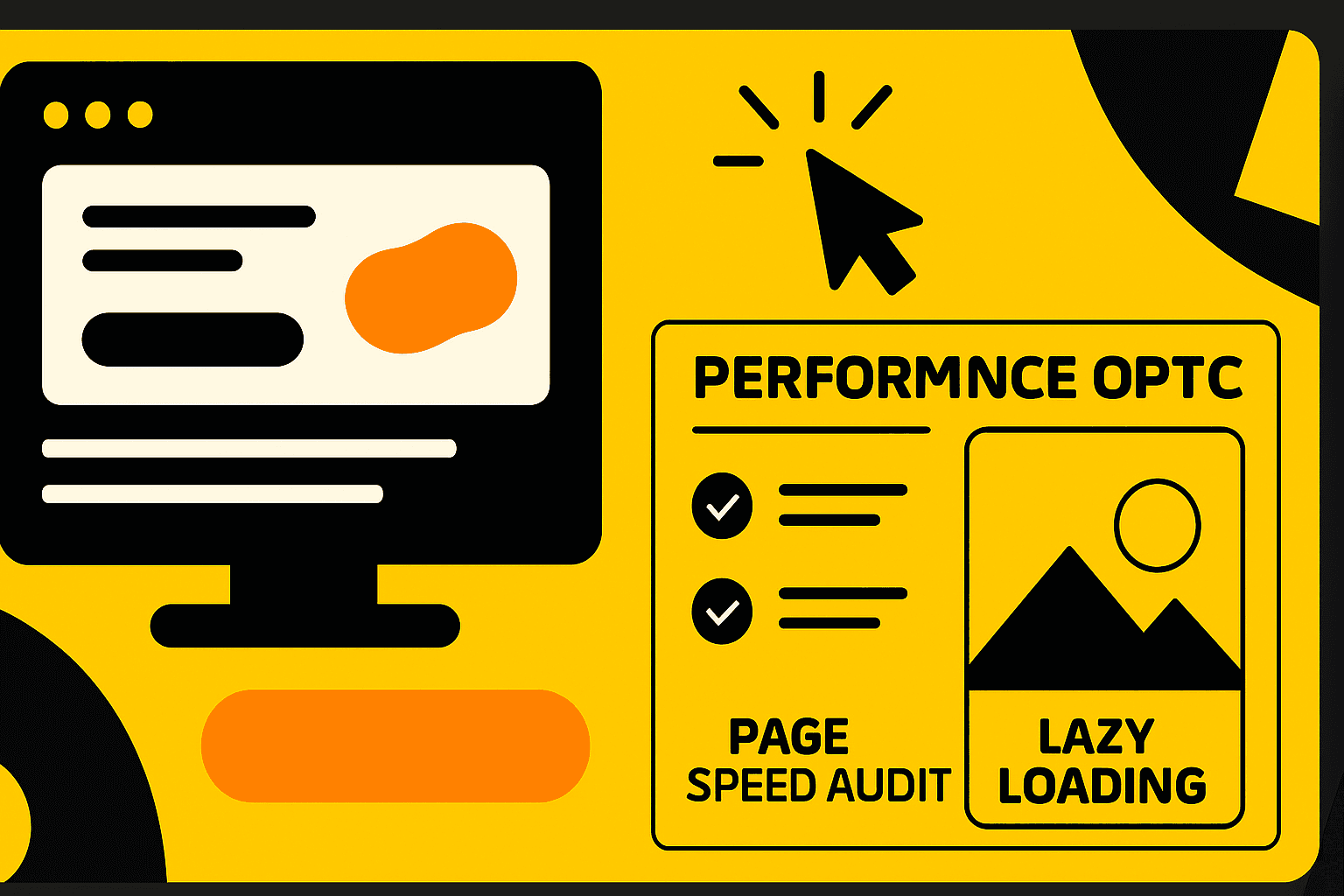
Decision-Making Triggers: Building High-Confidence CTAs
Clear, persuasive CTAs work only when the surrounding experience feels fast, seamless, and trustworthy. Slow loading, layout shifts, or delayed interactions weaken decision-making triggers and cause users to hesitate. Through data from Google Pagespeed Insights, real performance metrics, and website speed audit workflows, teams can understand how performance directly affects CTA engagement.
This guide outlines how page speed, mobile speed optimization, and page load optimization strengthen user confidence and boost conversions.
Why Performance Determines CTA Confidence
Users judge credibility within milliseconds. Slow or unstable pages disrupt trust, causing hesitation and, ultimately, lower conversions. Insights from website performance tools and speedtest page web platforms show that every delay influences decision-making behavior.
Slow Website Loading Time Kills Momentum
Delays create doubt. If the interface lags:
users assume the site is unreliable
bounce rate spikes
CTA interactions drop
Improving website loading time is one of the most powerful ways to reduce bounce rate.
Poor Server Response Time Reduces CTA Engagement
If server response time is slow, users feel friction before the page even renders.
This impacts:
initial impression
early scroll behavior
ability to reach CTAs quickly
Unoptimized Visuals Distract from Conversion Paths
Heavy, uncompressed visuals slow rendering.
Teams should:
optimize images for web
apply next-gen formats
implement lazy loading techniques
These reduce weight without reducing visual quality.
Weak Website Responsiveness on Mobile
Mobile users expect instant interaction. Poor responsiveness leads to:
misaligned CTAs
delayed taps
accidental clicks
abandonment
Modern mobile speed optimization directly boosts conversion rates.
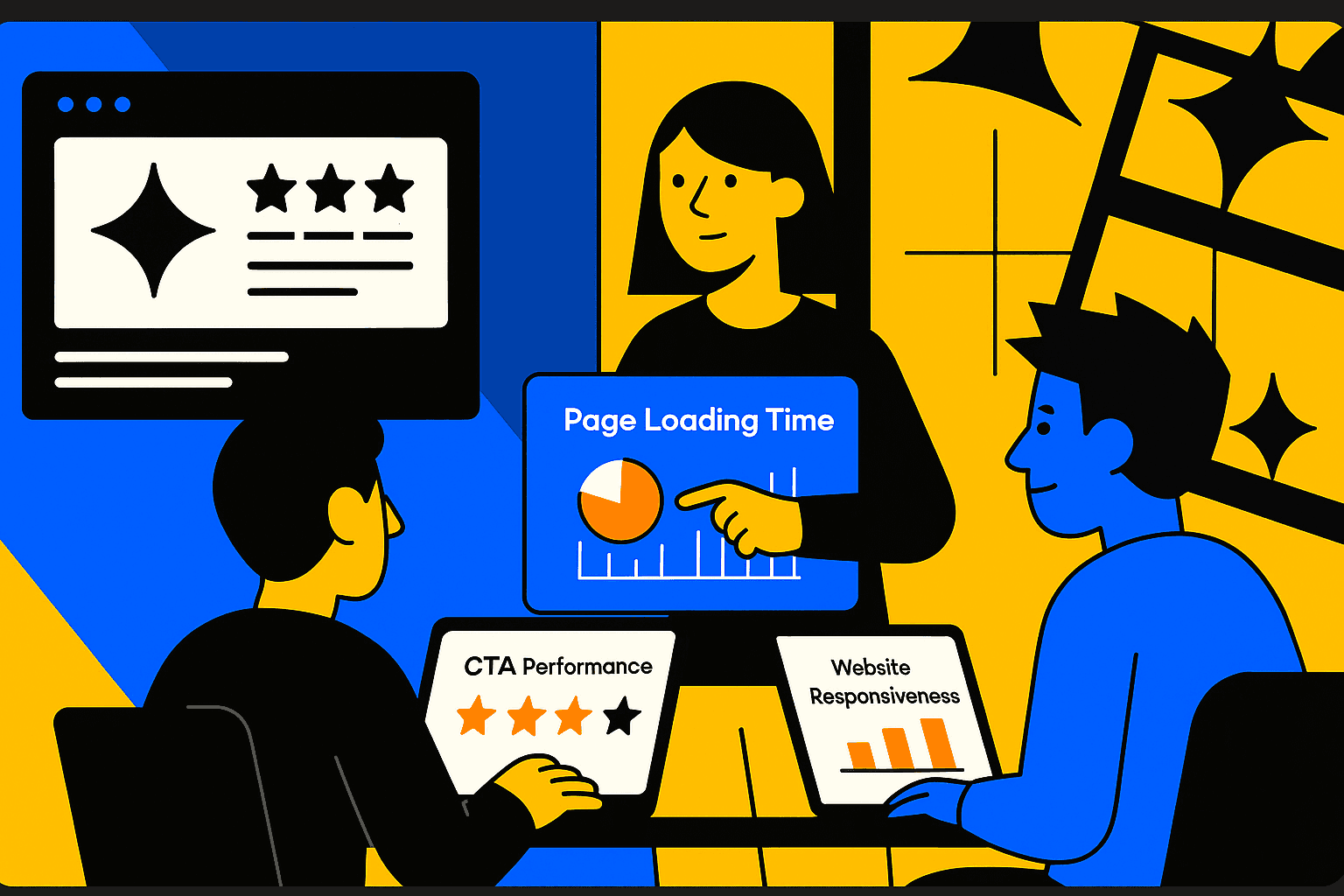
How to Build High-Confidence CTAs With Performance Improvements:
Start With a Website Speed Audit
Use tools like:
google pagespeed insights
website performance tools
speedtest page web
Identify bottlenecks in:
script execution
render-blocking resources
server delays
media weight
A clean audit provides a roadmap for improvement.
Improve Page Load Speed With Key Optimization Patterns
High-confidence CTAs rely on fast rendering. Improve performance by:
minimizing CSS and JS
compressing media files
streamlining fonts
enhancing page load optimization for all devices
Every millisecond saved increases engagement.
Implement Lazy Loading Techniques
Load critical content first and defer everything else.
Benefits include:
reduced above-the-fold clutter
faster initial render
smoother scroll experience
This creates a more trustworthy environment for decision-making.
Enhance Mobile Speed Optimization for CTA Visibility
To boost mobile conversions:
simplify content above CTAs
stabilize layout
reduce animation weight
prioritize responsive tap targets
Mobile-first users convert only when pages feel instantly responsive.
When to Focus on CTA Performance Optimization
Performance-driven CTA improvements matter most when teams are:
launching high-stakes campaigns
testing landing pages
reducing customer acquisition costs
refining product sign-up flows
scaling traffic to new regions
Performance optimization increases trust, reduces hesitation, and encourages action.
Conclusion
High-confidence CTAs don’t depend only on copy and design—they depend on speed. By improving page speed, streamlining website loading time, and applying page load optimization, teams create a trustworthy environment that strengthens decision-making triggers. With thorough audits, fast interactions, and a responsive interface, users feel confident enough to convert.