Design Debt in UX: Identifying Small Issues With Huge Impact
Learn how UX teams find design debt. UX teams use usability testing, heuristic evaluation, and structured UX research methods.
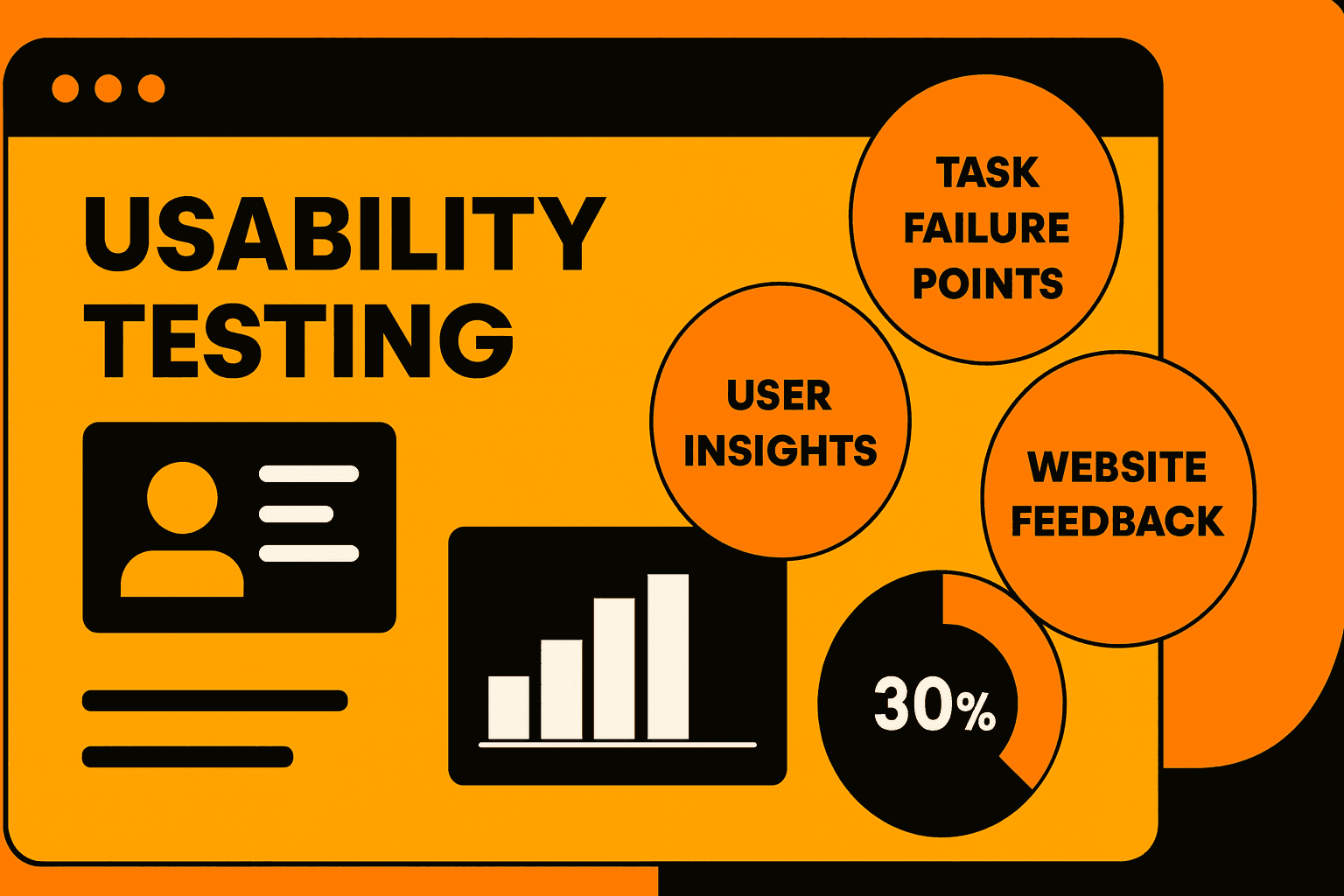
Design Debt in UX: Identifying Small Issues With Huge Impact
We notice that design debt builds up quietly. I see small usability compromises made under time pressure stay unresolved. I see the small usability compromises slowly hurt the user experience. I find that when there is no ux research and no regular validation, the design debt and the usability compromises add up. I know the design debt creates friction that directly affects conversion, retention, and trust.
The article explains how the design debt forms. The article shows how the high-impact issues can be found early. The article also shows how the usability testing methods help the teams avoid the term UX degradation.
What Design Debt Looks Like in Practice
Design debt rarely appears as a single broken feature. It shows up as repeated micro-frictions across the product.
Common indicators include:
inconsistent navigation patterns
unclear labels or overloaded screens
interaction delays revealed during usability testing
growing reliance on workarounds instead of fixes
These issues often surfaced through website usability testing but were deprioritized due to perceived low severity.
Why Small Issues Create Outsized Impact
Minor inconsistencies disrupt flow. Over time, they increase cognitive load and reduce task success rates during user experience testing.
How Design Debt Accumulates
Design debt grows when feedback loops weaken.
Typical causes include:
skipping heuristic evaluation during fast releases
limited synthesis of website feedback
lack of follow-up after remote usability testing
absence of a maintained usability testing checklist
Without regular review, teams normalize friction and lose clarity on user expectations.
Design Debt vs Accessibility Gaps
Design debt often overlaps with accessibility issues. The distinction between usability and accessibility becomes blurred when basic interaction clarity is lost.
Identifying High-Impact Design Debt
Not all design debt deserves equal attention. UX teams should focus on issues that affect core behaviors.
Effective signals include:
repeated failures in usability testing examples
abnormal drop-offs in user behavior analysis
recurring confusion reported in user insights
patterns across multiple testing sessions
Using structured usability testing methods helps separate cosmetic issues from experience blockers.
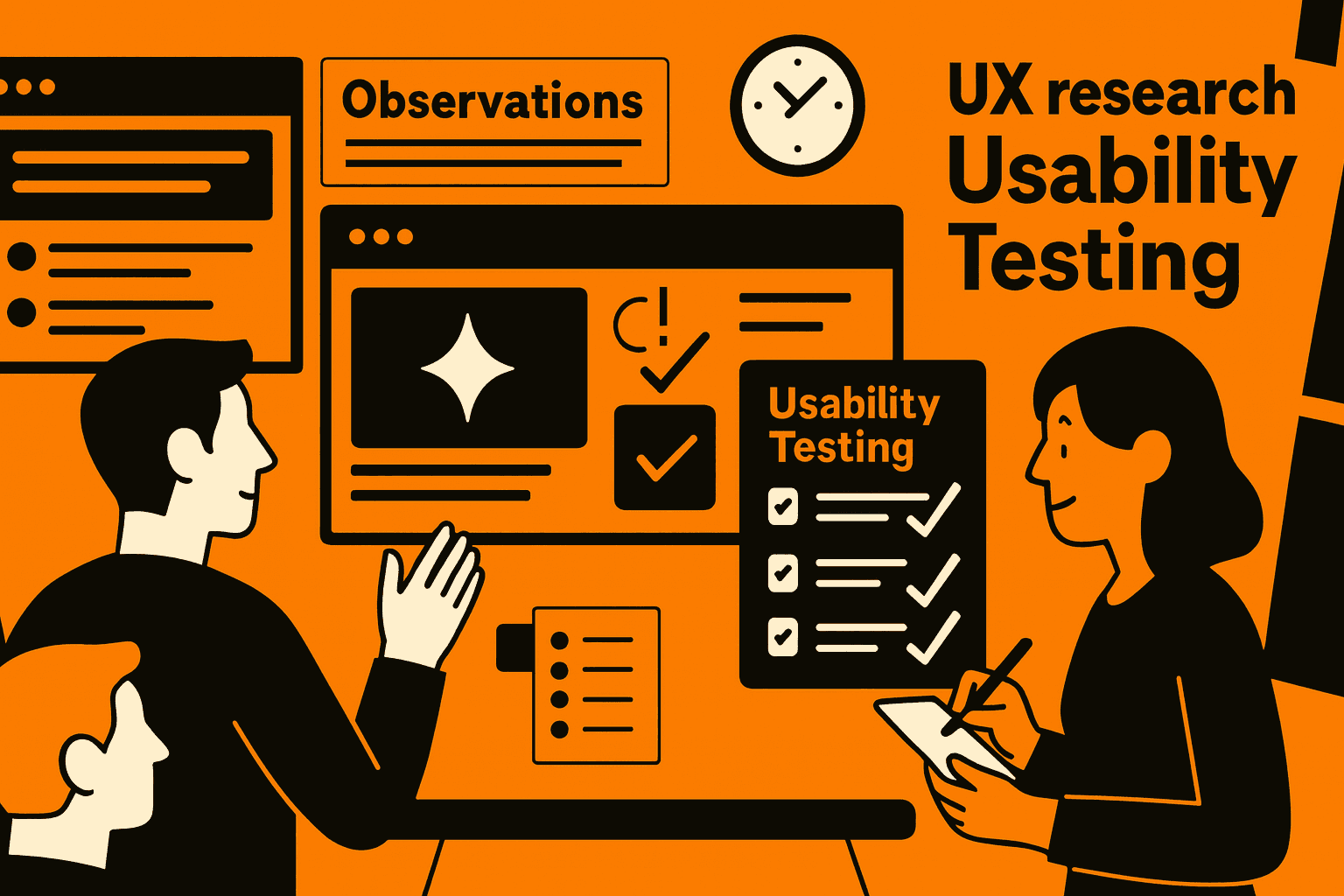
Managing Design Debt With UX Research
Design debt becomes manageable when treated systematically.
Best practices include:
embedding usability test scripts into regular sprints
tracking design debt alongside technical debt
validating fixes through remote usability testing
documenting patterns with user testing tools
This approach keeps UX quality stable as products scale.
Preventing Design Debt From Returning
Design debt prevention requires consistency, not perfection. Regular UX research cycles ensure small issues are resolved before they become structural problems.
Conclusion
In my experience, the design debt in UX is rarely big. The design debt, in UX, adds up over time. I have watched the teams run user testing, quick checks, and ongoing UX research. I have seen the teams spot issues that cause friction.
When the teams fix those problems early, they improve clarity. The team's lower risk. The teams keep the user experience testing as a way to make the product better, not a plan.