Emotional Drivers Mapping What Motivates Your Best Customers
Learn how emotional drivers mapping reveals user motivations and strengthens user personas, audience profiling, and customer journey mapping.
Emotional Drivers Mapping What Motivates Your Best Customers
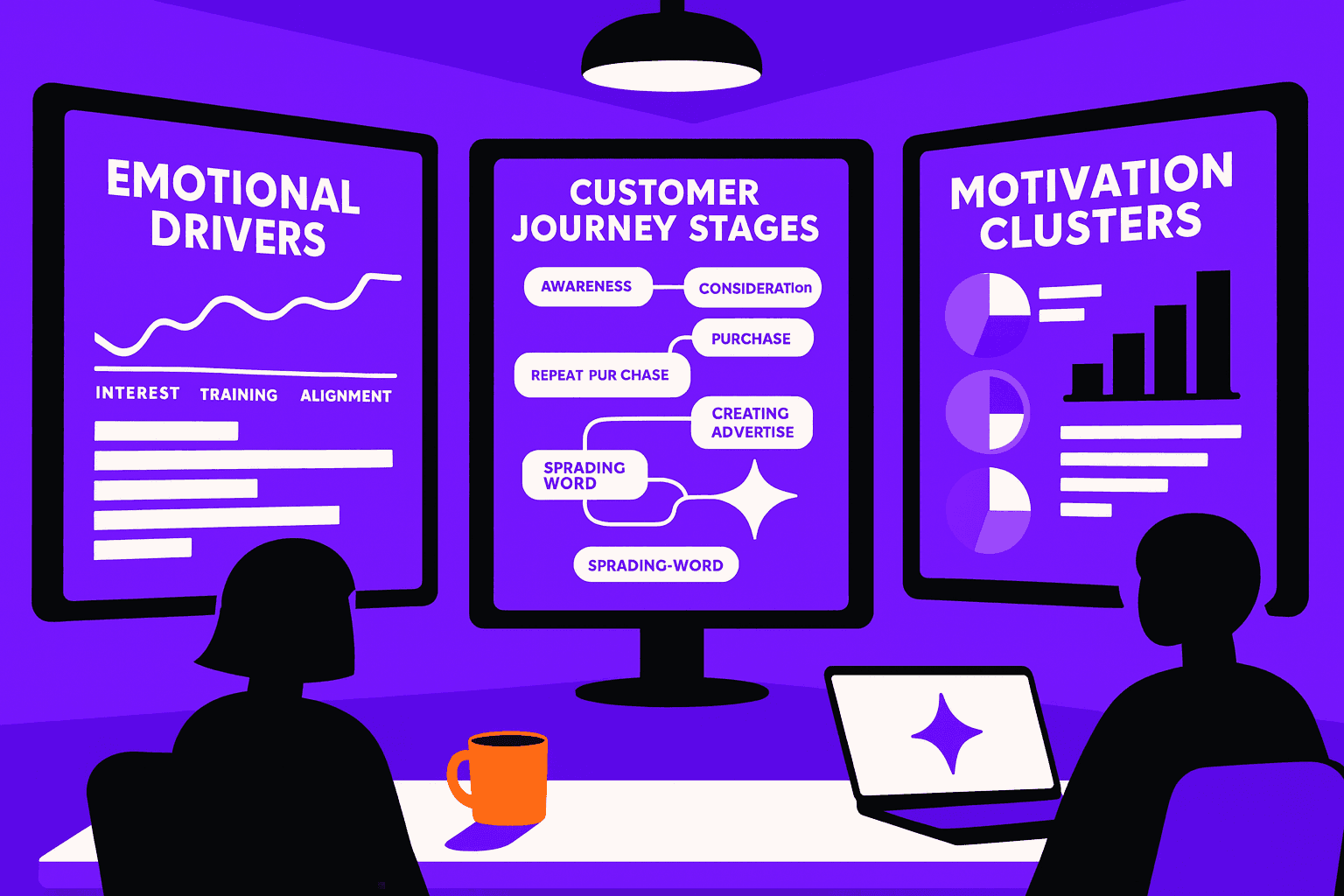
Emotional drivers mapping helps teams understand what motivates users, and this process becomes stronger when combined with behavioral segmentation. Brands make better decisions when they know what emotions stay behind user actions.
Why Emotional Drivers Matter in Modern UX
People rarely act only because of logic. Motivation comes from deeper needs. Strong customer journey mapping shows where these emotions appear and how they influence decision-making. When feelings match expectations, users move smoothly through the product.
How Emotional Drivers Strengthen Personas
Emotional context makes user personas more realistic. Teams understand what users expect, fear, avoid, or desire. When personas reflect emotions, product decisions become more accurate and empathetic.
Core steps
Identify emotional triggers through interviews
Validate these patterns with empathy mapping
Align personas with real behavior
Connect emotions with product experiences
Good emotional insight creates more consistent personas.
Using Emotional Data to Build Clear Profiles
Strong emotional understanding gives life to buyer persona examples that feel natural. When teams know what users value most, decisions are easier. Motivations help shape messages, flows, and onboarding.
Two elements matter most
Internal motivations
External conditions
Both shape the final behavior and make marketing personas more predictable.
How Emotional Drivers Improve Research Depth
Structured templates help practitioners organize insights. Teams rely on persona templates because they make emotional data easier to understand. Clear structure helps reveal the strongest patterns in behavior and expectations.
A short list of helpful actions
Segment users with audience profiling
Review age, region, and lifestyle with demographic data analysis
Compare emotions with actual behavior
Capture everything consistently for future analysis
Organized insights create stronger communication strategies.
Turning Emotions Into Actionable Data
Emotional data becomes meaningful only when processed correctly. Teams use persona data to track patterns and highlight triggers. Emotional depth creates a more accurate persona model that guides both product and marketing.
Strong models help teams
Plan product messages
Design flows
Reduce user effort
Build trust
Improve decision clarity
This structure increases understanding and strengthens user-focused strategies.
Connecting Emotional Insights With Archetypes
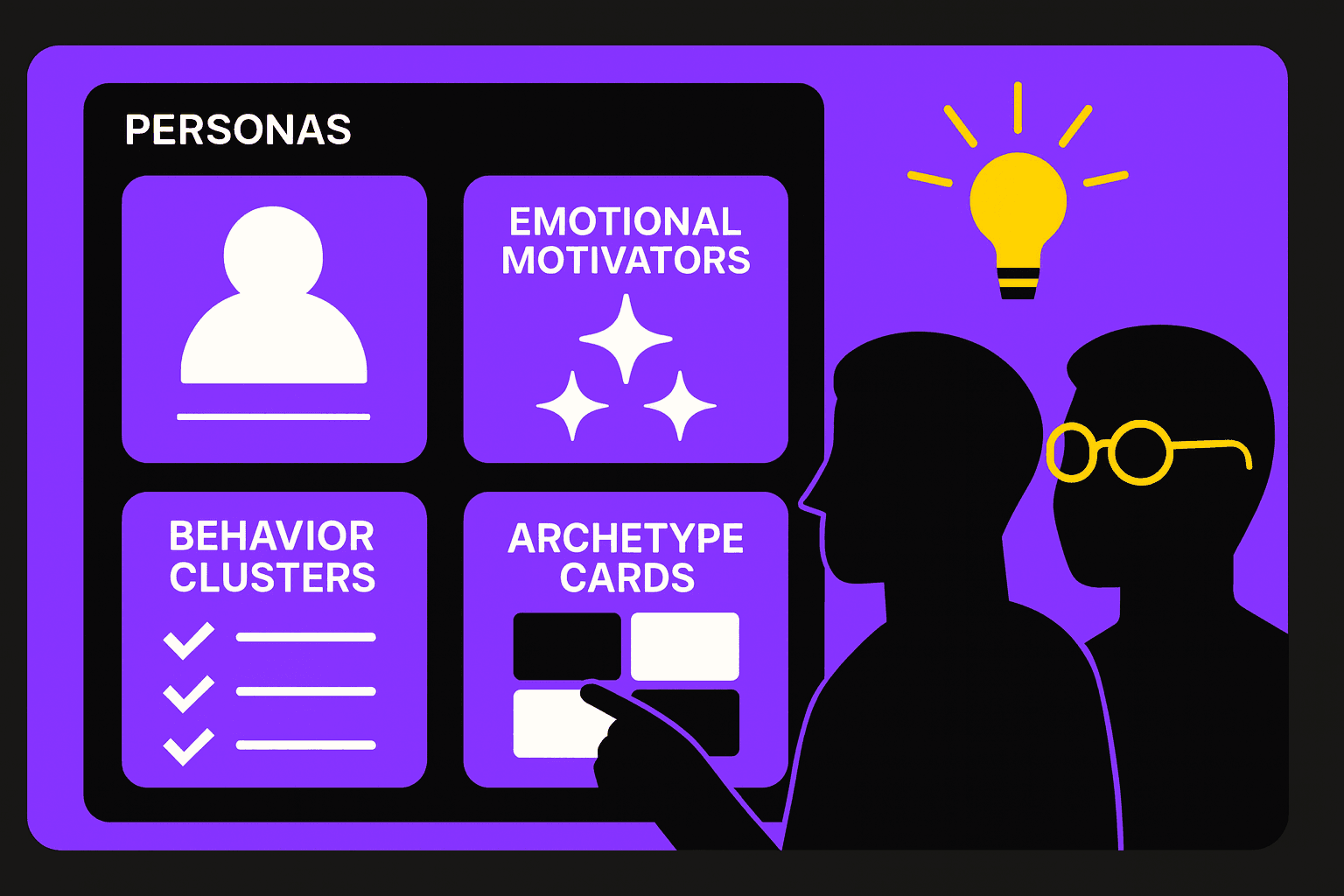
Brands often turn motivations into recognizable archetypes. This helps unify language across teams. When emotional drivers connect with archetype design, product communication becomes much more consistent.
Archetypes simplify
Tone
Expectations
Motivations
Decision pressure levels
They give a simple shape to complex emotions.
Conclusion
Emotional drivers mapping reveals what users truly need. When teams combine structured research, journey understanding, and emotional insight, the product grows faster and becomes easier to use. Accurate emotional patterns enrich personas, support segmentation, and improve decisions across the entire customer experience.