How Cognitive Load Impacts User Success Rates
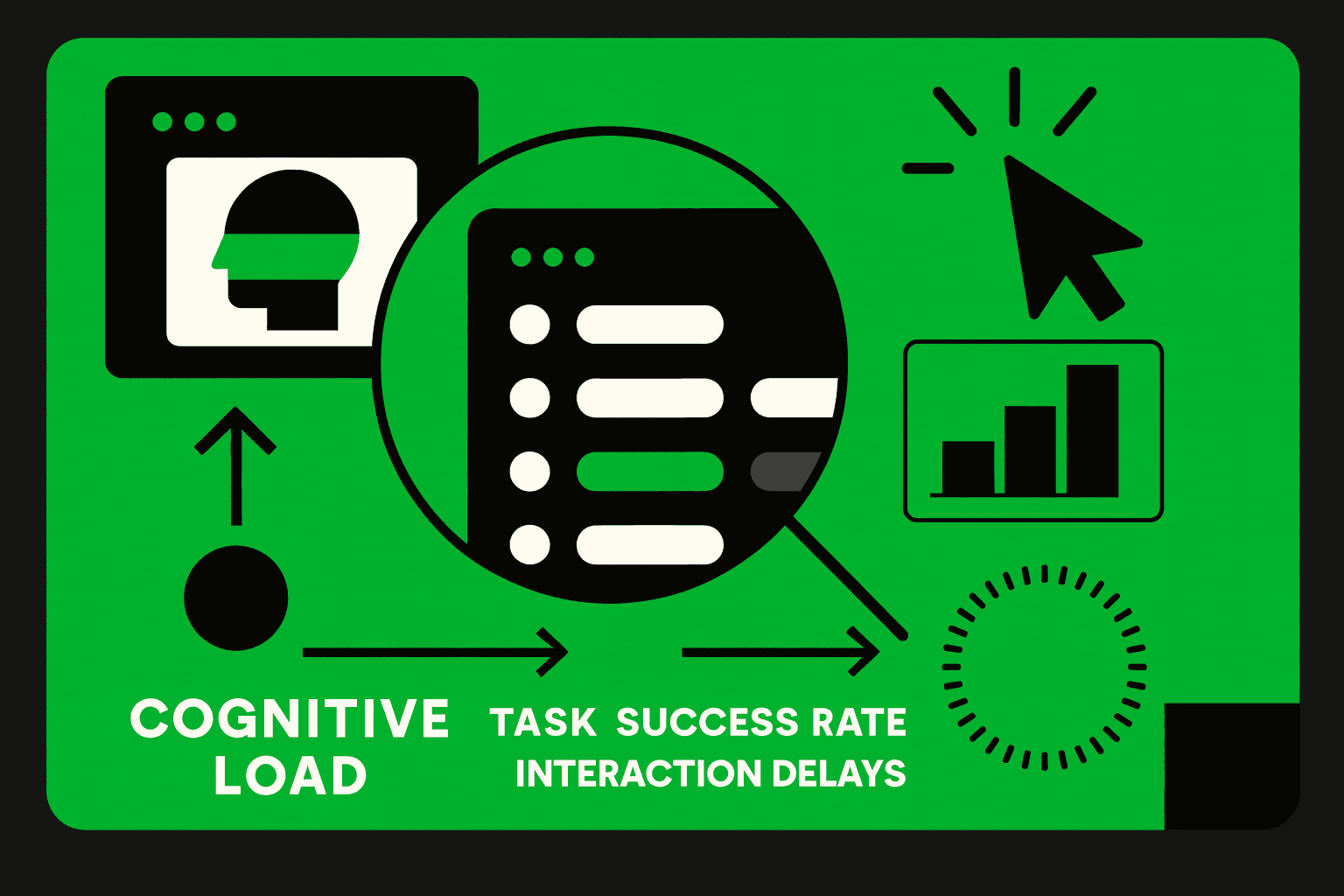
You can see how cognitive load affects the user success rates. You can see how ux research, usability testing methods, and user behavior analysis lower the task friction.
How Cognitive Load Impacts User Success Rates
Cognitive load affects user success rates in every digital product, and ux research helps teams identify where users struggle and why they abandon tasks. I have seen that high cognitive load slows decision-making.
I have also seen that high cognitive load makes mistakes more common and makes satisfaction lower. When the teams understand how the users process the information, the teams can design interfaces. The teams can improve the usability.
Why Cognitive Load Matters in User Experience Testing
Cognitive load affects how fast users understand the content, finish the tasks, and judge the product value. From my experience, when cognitive load gets too high, the users struggle. Quit the tasks. Cognitive load is essential in user experience testing.
Key effects include:
slower recognition of interface patterns
increased task errors
reduced confidence
early task abandonment
Cognitive load insights strengthen user insights. Cognitive load insights improve the website usability testing because cognitive load insights reveal which design elements confuse users and why. Cognitive load insights help us fix problems.
Indicators of High Cognitive Load
During usability testing, teams can observe signs such as:
frequent pauses
repeated backtracking
uncertainty in navigation
difficulty explaining next steps
These behaviors show that users are processing too much information, which reduces task success rates. ux research helps connect these signals to specific interface elements.
How Usability Testing Methods Detect Cognitive Overload
Usability testing methods help teams identify patterns that increase mental effort. Structured task flows reveal where users hesitate or misunderstand instructions.
Using User Testing Tools for Better Insights
User testing tools show cognitive load through:
heatmaps indicating hesitation
session recordings revealing confusion
audio commentary from remote usability testing
interaction metrics connected to task complexity
These signals form the foundation of deeper user behavior analysis.
Applying Heuristic Evaluation to Cognitive Load Issues
Heuristic evaluation identifies friction in:
unclear labels
overloaded layouts
inconsistent interactions
missing signposts
When combined with a usability testing checklist, evaluators can map task friction directly to design principles.
Reducing Cognitive Load Through UX Research
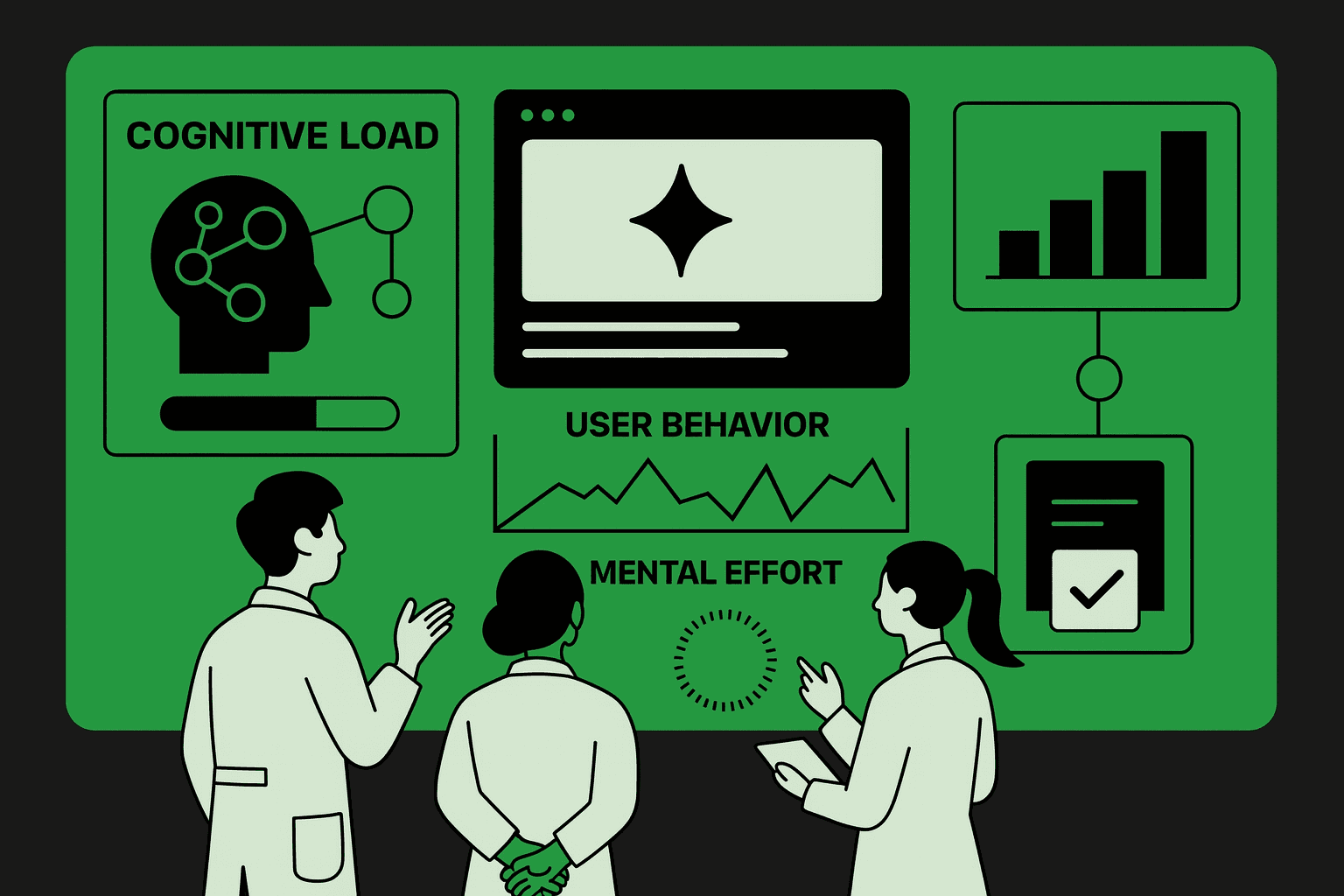
ux research helps identify the exact sources of confusion and reorganize information around clearer mental models. With focused adjustments, teams can increase clarity without redesigning entire interfaces.
Simplifying Tasks With a Clear Usability Test Script
A usability test script reveals whether tasks are understandable. Clear instructions reduce confusion and make insights more reliable. When users struggle even with well-defined tasks, the interface is usually the source of overload.
Using Website Feedback to Validate Improvements
After changes, website feedback helps confirm that users:
complete tasks faster
make fewer mistakes
understand page structure better
feel more confident
These outcomes show that cognitive load has decreased.
UX Research vs Usability vs Accessibility in Cognitive Load
ux research focuses on understanding mental effort, while usability vs. accessibility highlights different barriers. Cognitive load touches both:
usability: clarity, simplicity, interaction flow
accessibility: avoiding overload for users with cognitive limitations
Both perspectives help increase user success rates.
Conclusion
Cognitive load matters. Cognitive load has an effect on how users succeed. When I look at load, I see that user experience research gives the details needed to find problems. I bring together the usability testing, the heuristic evaluation, and the user behavior analysis. I can see why users pause and where the tasks become too hard. Reducing effort makes more users finish tasks. Reducing effort makes testing smoother. Reducing effort makes product interactions easier on all platforms.