How to Validate Personas Using Product Telemetry
Learn how to validate personas using product telemetry, behavioral segmentation, and persona data to keep user personas accurate and actionable.

How to Validate Personas Using Product Telemetry
How to validate personas using product telemetry solves a common problem for growing teams: user personas stop reflecting real behavior. When products evolve, persona data becomes outdated, which weakens audience profiling and decision-making. Product telemetry allows teams to validate user personas using real behavioral signals instead of assumptions.
Why Personas Drift Away From Real User Behavior
Personas often drift because they rely too heavily on static research. Marketing personas built once during discovery rarely adapt to product changes or new user patterns. Without telemetry, persona models become theoretical rather than practical.
Behavioral shifts usually appear in:
changes in feature adoption
altered decision paths
new friction points
evolving motivations
These signals rarely surface in interviews alone.
The Limits of Traditional Persona Templates
Persona templates capture intent at a moment in time. They struggle to reflect ongoing changes in customer journey mapping or evolving expectations. This creates gaps between buyer persona examples and real usage patterns.
How Product Telemetry Improves Persona Accuracy
Product telemetry provides continuous insights into how users interact with a product. It shows what users actually do, not what they say they do. This strengthens audience profiling with real behavioral evidence.
Telemetry supports:
behavioral segmentation
validation of persona assumptions
refinement of empathy mapping
adjustment of persona data
Each interaction updates the persona model with fresh insights.
Aligning Telemetry With Empathy Mapping
Telemetry enriches empathy mapping by revealing pain points users may not articulate. When behavior conflicts with stated goals, telemetry highlights emotional friction within the customer journey.
Key Telemetry Signals to Validate User Personas
Not all telemetry data is useful for persona validation. The focus should be on signals that reflect intent, motivation, and friction.
Behavioral Segmentation Patterns
Behavioral segmentation reveals clusters of users who share similar paths, speeds, and drop-off points. When these clusters differ from the defined archetype design, personas require revision.
Journey Gaps and Motivation Conflicts
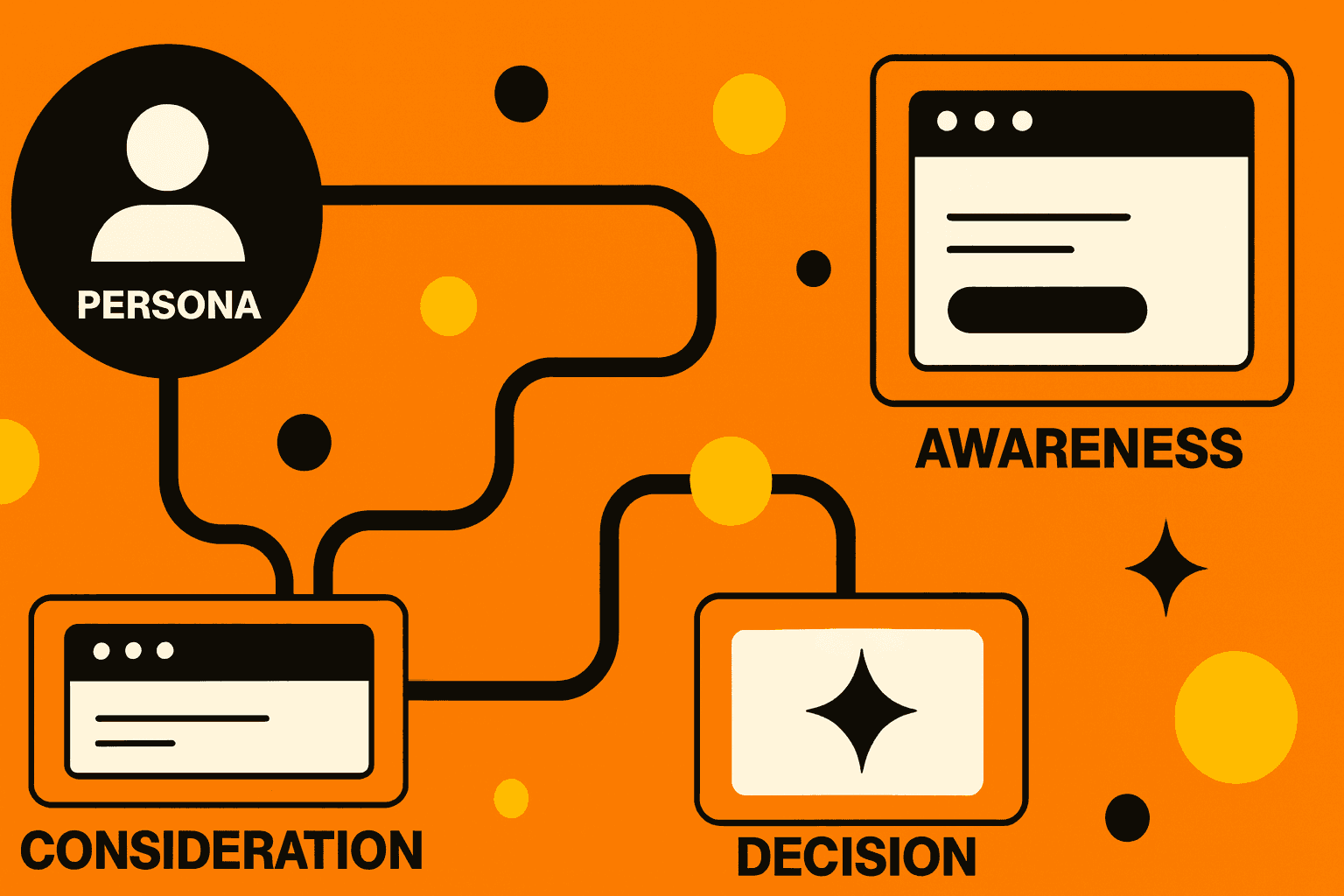
Customer journey mapping backed by telemetry shows where users hesitate, skip steps, or abandon flows. These gaps often expose missing motivations or incorrect assumptions within marketing personas.
Updating the Persona Model With Real Data
Once telemetry insights are clear, personas must be updated systematically. Persona data should evolve rather than be replaced.
Effective updates include:
refining motivations
adjusting goals and barriers
validating demographic data analysis against behavior
aligning archetype design with real usage
This process ensures personas remain useful for design, marketing, and product strategy.
Validating Buyer Persona Examples Over Time
Buyer persona examples should be reviewed continuously. Telemetry confirms whether these examples still represent real users or are only based on past assumptions.
Conclusion
Validating personas using product telemetry requires shifting from static research to continuous behavioral insights. Telemetry strengthens user personas by grounding them in real actions, motivations, and journey patterns. When persona models reflect real behavior, teams build products, messaging, and experiences that stay aligned with their audience over time.