Optimizing for Return Visitors: Converting Users Who Didn’t Buy
Learn how to convert return visitors by improving page speed, website loading time, and performance signals that reduce bounce rate.
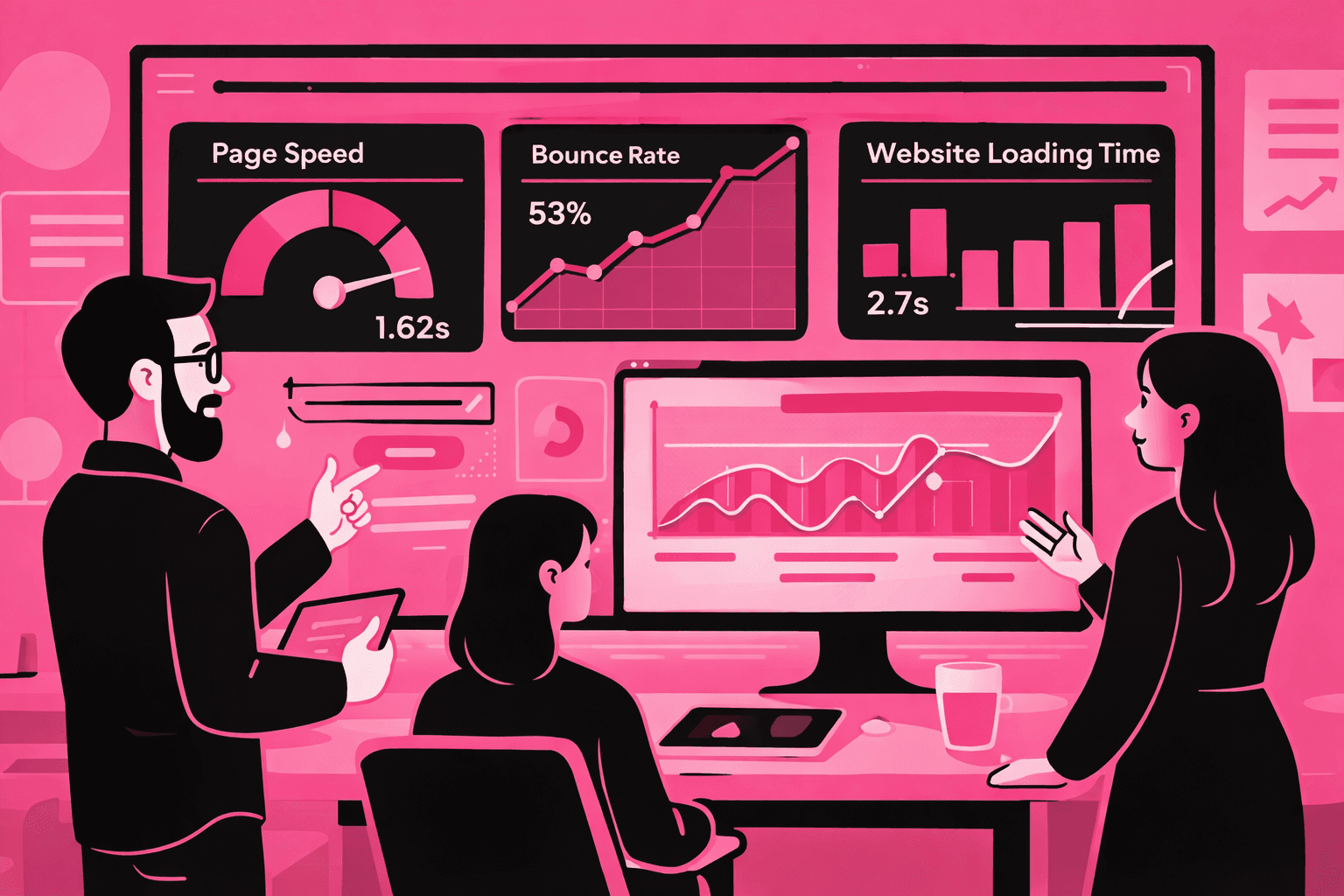
Optimizing for Return Visitors: Converting Users Who Didn’t Buy Last Time
Return visitors represent missed revenue. These users showed interest but left without converting, often due to friction caused by slow page speed, unclear performance signals, or poor mobile experience. Improving website loading time and responsiveness is crucial for converting second chances into sales.
This article explains how performance-focused optimization helps re-engage return visitors and reduce bounce rate without redesigning the entire experience.
Why Return Visitors Behave Differently
Return visitors arrive with expectations. They compare speed, clarity, and responsiveness to their last visit.
Common issues that block conversion include:
slow website loading time on repeat visits
unstable server response time during peak hours
inconsistent website responsiveness across devices
heavy assets that were not optimized previously
Even small delays increase frustration and drive abandonment.
Performance Friction Is Remembered
Users remember slow experiences. If performance has not improved since the last visit, trust erodes before intent can rebuild.
Performance Signals That Influence Return Conversions
Return visitors evaluate pages faster. They scan, compare, and decide quickly.
Critical signals include:
fast page speed on landing
visible content before full load
smooth transitions on interaction
stable mobile speed optimization
Using Google PageSpeed Insights helps identify issues that disproportionately affect repeat users.
Page Speed Sets the Emotional Tone
Fast loading creates confidence. Slow loading creates doubt, even before pricing or content is reviewed.
Optimizing Pages for Repeat Visits
Optimization efforts should focus on consistency and predictability.
Key actions include:
optimize images for web to reduce payload
apply lazy loading techniques to non-critical content
minimize scripts affecting server response time
run a website speed audit after every major update
These changes directly improve page load optimization and retention.
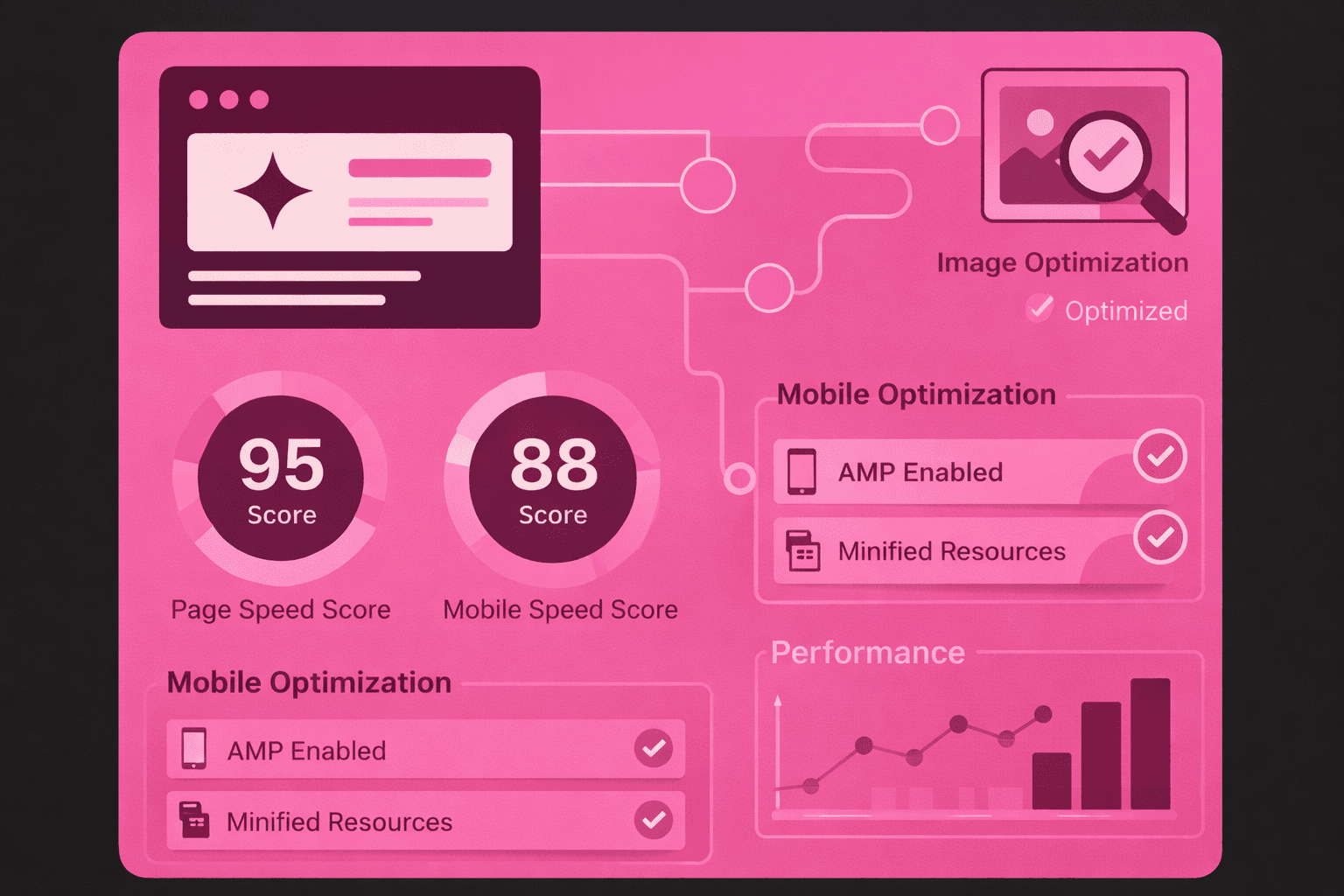
Reducing Bounce Rate for Returning Users
Bounce rate among return visitors signals unmet expectations.
To reduce bounce rate:
ensure visible improvements since last visit
prioritize mobile speed optimization
validate changes using the Speedtest page web tools
maintain consistent performance across sessions
Reliable performance reassures users that the experience has evolved.
Responsiveness Builds Conversion Momentum
When interactions feel immediate, users are more likely to continue and complete actions they previously abandoned.
Conclusion
We have found that optimizing for return visitors needs more than remarketing or changing messages. The performance of the site— page speed, website loading time, and responsiveness—directly decides if a return visitor will give the product another try. We recommend using website performance tools to improve page speed and page load optimization. Keep the website loading time fast.
Keep the responsiveness steady across all devices. I have seen teams turn hesitation into confidence. I have seen teams turn return visits into results. Return visitors will notice the page speed. Will come back again.