Persona Conflicts: Handling Overlapping or Contradictory Segments
Learn how to resolve persona conflicts caused by overlapping segments using behavioral segmentation, persona models, and customer journey mapping.

Persona Conflicts: Handling Overlapping or Contradictory Segments
Persona conflicts appear when user personas no longer clearly guide decisions. Teams face overlapping needs, contradictory behaviors, or segments that compete for prioritization. Without structured behavioral segmentation and validated persona data, products drift toward generic solutions that satisfy no one.
This article explains why persona conflicts emerge, how to detect them, and how to resolve contradictions using persona models grounded in real user evidence.
Why Persona Conflicts Happen
Persona conflicts are not a failure of personas themselves. They usually signal outdated inputs or incomplete modeling.
Common causes include:
reliance on static persona templates
overuse of demographic data analysis instead of behavior
missing updates after product or market changes
unclear differentiation between needs and motivations
When personas stop reflecting reality, contradictions emerge across features, messaging, and prioritization.
Demographics Create False Clarity
Demographics alone blur distinctions. Two users with similar profiles may follow different paths in customer journey mapping, leading to conflicting expectations.
Identifying Overlapping or Contradictory Personas
Conflicts often surface during planning sessions when teams debate which persona to serve. Signals include:
competing success metrics between personas
duplicated needs across multiple profiles
inconsistent outcomes in buyer persona examples
unclear ownership between product and marketing personas
These issues indicate that the persona model needs recalibration.
Use Behavioral Signals to Expose Conflicts
Behavior reveals intent. Applying behavioral segmentation helps separate users by actions, not assumptions, and clarifies which segments truly differ.
Resolving Persona Conflicts Systematically
Resolving conflicts requires restructuring, not adding more personas.
Effective steps include:
revalidate persona data using product analytics
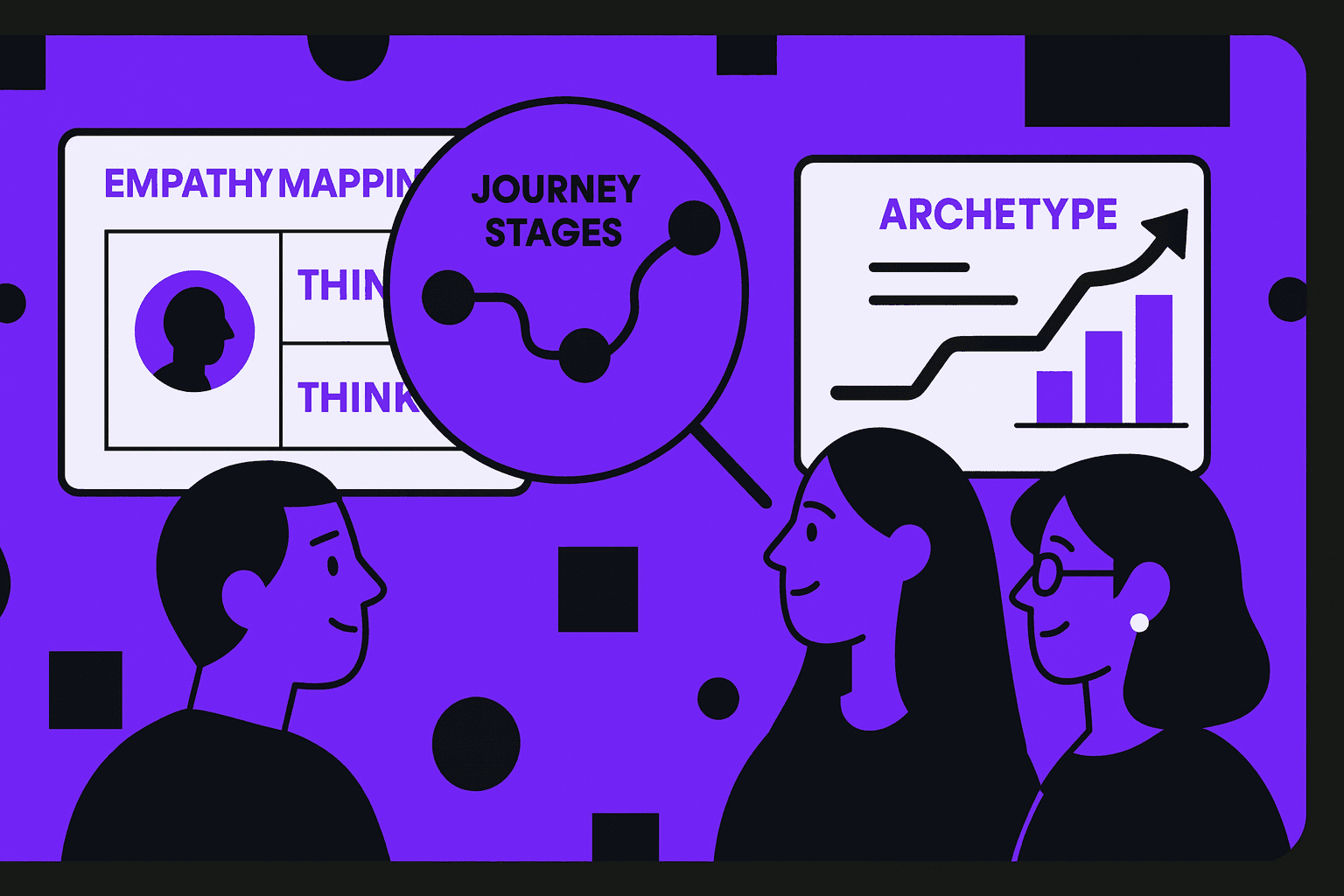
rebuild empathy mapping around real pain points
separate goals from demographics
map personas across distinct journey stages
consolidate profiles into clearer archetype design
This process reduces overlap and restores decision clarity.
Align Personas With Real Journeys
Strong personas align directly with customer journey mapping. Each persona should own a distinct journey pattern, not just a description.
When to Merge or Split Personas
Not all conflicts require new personas. Use these rules:
merge personas when behaviors are identical
split personas when motivations differ
retire personas with no measurable impact
keep persona count manageable for execution
Clear, validated personas improve focus across product, marketing, and UX teams.
Conclusion
Personality conflicts signal that assumptions have outpaced reality. By grounding user personas in behavioral segmentation, validating persona data, and refining the persona model through empathy mapping and journey analysis, teams can eliminate contradictions and regain strategic clarity. Well-maintained personas are not static artifacts—they are decision systems that evolve with users.