Persona Drift: Why Personas Become Inaccurate and How to Prevent It
Learn how to maintain an accurate persona model using real behavioral data, validation cycles, and lightweight frameworks that prevent user insights from drifting.
Persona Model: How to Prevent User Understanding from Drifting Over Time
Creating a persona model is not a one-time task. I have watched many product teams treat a persona model as a one-off job. A persona model is a system that changes as the team learns about the real user needs. Over time, the personas drift. The personas become too simple or far from behavior. In this article, I will show how to build a persona model and how to keep a persona model up to date. An up-to-date persona model can help the team make decisions and stop the drift.
Why a Persona Model Loses Accuracy
A persona model can degrade over time due to incomplete research, outdated assumptions, and rapid market changes. Teams often rely on old insights or internal opinions rather than updated user data. As a result, the persona model stops reflecting actual motivations and behavior patterns.
Key Risks When Persona Models Drift
1. Decisions Become Biased
Old persona insights turn into internal myths. Teams start designing for assumptions instead of validated needs.
2. Feature Priorities Become Misaligned
If the persona model no longer represents real behavior, the roadmap fails to support meaningful user value.
3. Marketing Messages Miss the Target
Campaigns become less persuasive because they don't mirror the audience’s current goals, tone, or language.
4. UX Testing Becomes Less Valid
Design decisions tested against outdated personas lead to misleading interpretations of user experience.
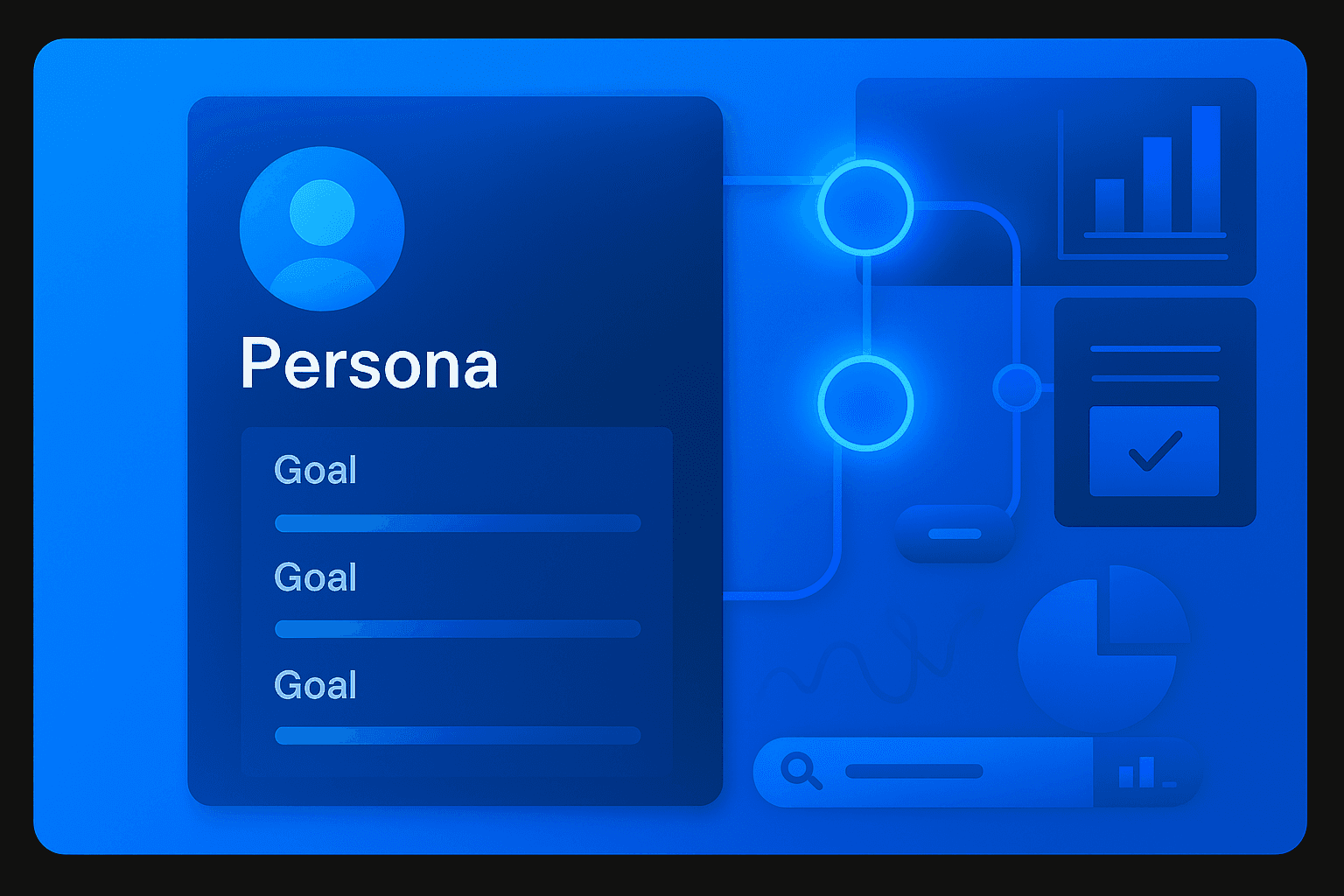
How to Keep Your Persona Model Accurate
1. Revalidate Personas Every Quarter
Set a recurring schedule:
Review quantitative analytics
Recheck demographic shifts
Conduct 3–5 user interviews
Compare behavior changes across funnels
This prevents assumptions from solidifying.
2. Use Real Behavioral Data
Your persona model should integrate:
Clickstream patterns
Task completion rates
Search queries
Session recordings
Support tickets and FAQs
Behavior > opinions.
3. Define a “Persona Change Threshold”
Create a simple rule:
If more than 20% of a persona’s habits, goals, or tools differ from your latest data review, update it.
This structured approach avoids subjective decisions.
4. Keep Persona Models Lightweight
Avoid overly complex documents. A useful persona model includes:
The user’s goal
Main motivations
Constraints
Core behaviors
Key tasks
Emotional drivers
Anti-goals
Nothing more — nothing less.
Signs Your Persona Model Needs an Update
Here are the most common indicators that the persona model no longer matches reality:
Support team reports new recurring issues
Conversion funnels show unexpected drop-offs
New segments consistently appear in analytics
Marketing campaigns convert poorly
Product adoption behaves differently than predicted
If 2–3 of these are happening, revisit the entire persona model.
Conclusion
I have found that a maintained persona model gives a benefit. The persona model aligns the marketing team, the design team, and the product team with user needs. The persona model reduces the risk of decisions.
I notice that teams update personas with real behavior data and clear validation cycles. Updating personas with real behavior data and clear validation cycles stops the personas from drifting. Teams keep the persona model a living tool for the organization.