Predictive Personas: Using AI Signals to Forecast User Needs
Discover how AI-driven predictive personas enhance behavioral segmentation, customer journey mapping, and empathy mapping to anticipate user needs and improve marketing strategies.
Predictive Personas: Using AI Signals to Forecast User Needs
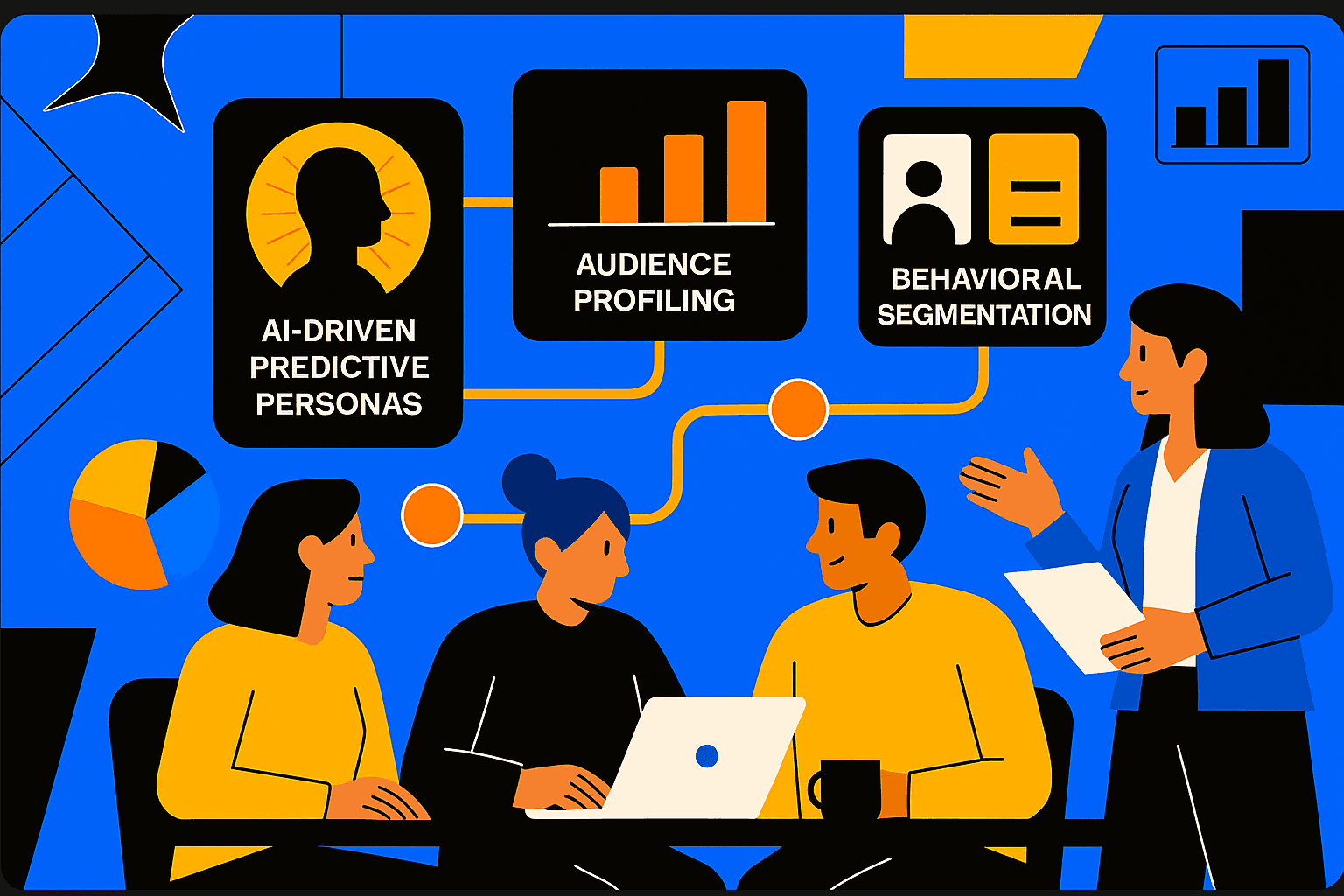
Creating user personas lets the team understand the audience, design tailored experiences and improve the marketing strategies. Traditional methods use interviews, surveys, and analytics. The AI now lets the team predict the user behavior, anticipate the user needs, and update the user personas in time.
I think predictive personas use persona templates, behavioral segmentation, and AI-generated signals to shape the way we understand users. Predictive personas build a living model that changes with the audience. The living model makes the customer journey mapping clearer. The living model also helps the data data-driven decisions.
Why Predictive Personas Matter
Static marketing personas often become outdated as user behavior shifts. Predictive personas solve this problem by:
continuously updating persona data using AI signals
improving audience profiling accuracy
refining buyer persona examples based on real-time interactions
informing empathy mapping and design decisions
By forecasting user needs, teams reduce assumptions and deliver more personalized experiences.
Building AI-Driven Predictive Personas
Step 1 — Collect Data Across Touchpoints
Start by aggregating data from multiple sources:
behavioral analytics
transaction logs
website and app interactions
surveys and interviews
This foundational demographic data analysis fuels your persona model with relevant insights.
Step 2 — Segment Users Behaviorally
Use AI algorithms to identify patterns and trends. Behavioral segmentation uncovers:
frequency and recency of actions
preferred channels and content types
task completion rates in digital journeys
These insights feed into customer journey mapping and improve persona accuracy.
Step 3 — Create Dynamic Persona Models
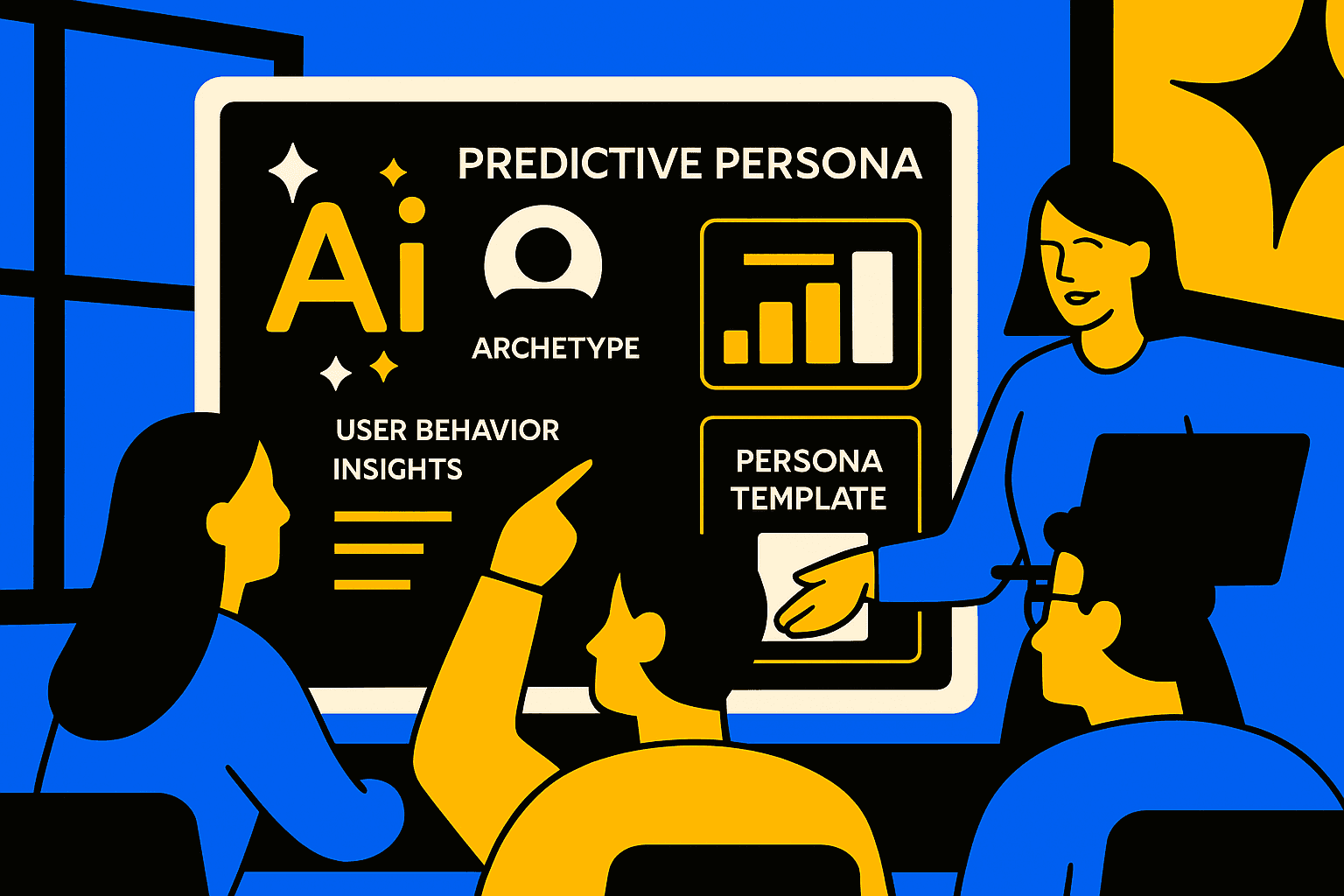
Integrate AI outputs into living persona templates:
Update personas automatically based on behavior changes
Identify emerging archetype design patterns
Adjust marketing personas for seasonal or contextual shifts
Continuously refine empathy mapping for UX and content teams
Dynamic personas ensure that strategies always reflect current audience realities.
Step 4 — Validate and Iterate
Even AI-driven personas require human validation. Teams should:
Cross-check with a real user
Compare predicted behaviors against surveys or interviews
Refine models to avoid bias in AI-generated persona data
This ensures predictive personas remain actionable and trustworthy.
Conclusion
I have seen predictive personas turn user personas into tools that change over time. Predictive personas bring together behavior grouping, customer path mapping, empathy maps, and ongoing demographic data analysis. Predictive personas let the teams guess the user needs, make the engagement better, and make the marketing personas better. Using the persona templates, the archetype design, and the real-time audience profiling ensures that the strategies stay based on insights.