The True Cost of Ignoring Accessibility in Enterprise SaaS
I have seen the risk, the legal risk, and the UX risk that come from ignoring accessibility in enterprise SaaS. I have seen how the accessibility audits, the WCAG guidelines, and the design lower long-term costs.
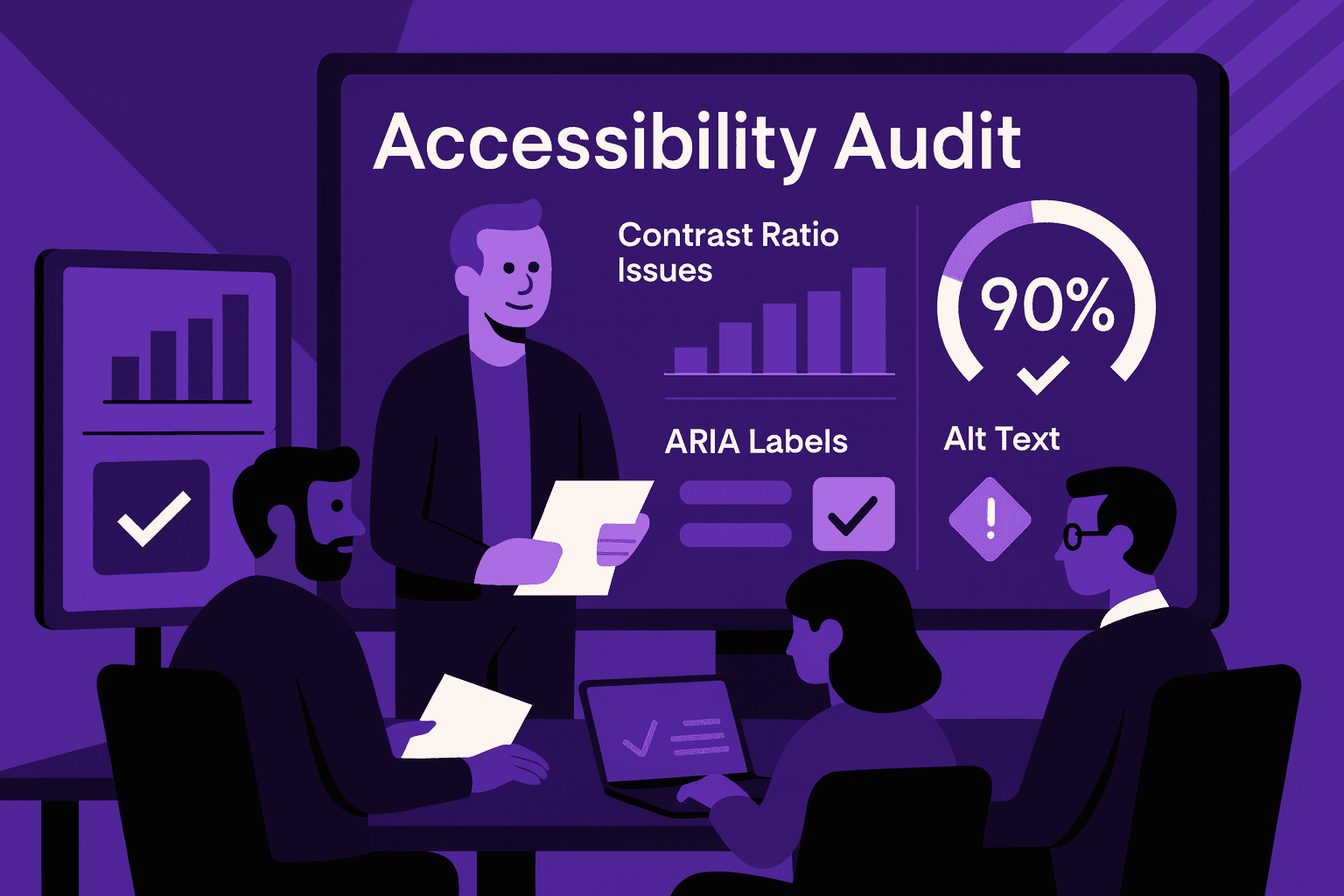
The True Cost of Ignoring Accessibility in Enterprise SaaS
I have seen what happens when a company ignores accessibility in enterprise SaaS. Ignoring accessibility, in enterprise SaaS brings a price. The price includes the cost, the cost, the operational cost, and the reputational cost. When enterprise SaaS platforms grow, not investing in web accessibility, ADA compliance, and inclusive design causes support tickets, lost customers, compliance violations, and costly redesigns.
I have found that the first step is to adopt WCAG guidelines. The first step also means using HTML, adding correct ARIA labels, and ensuring accurate alt text for images. The organizations that run accessibility audits and use accessibility testing tools build stable and scalable products. Those products earn long-term trust.
Why Accessibility Matters in Enterprise SaaS
Enterprise platforms operate at scale, serving thousands of users across different abilities, devices, and environments. When accessible web design is ignored, the impact quickly multiplies:
Higher ticket volume from users unable to complete tasks
Lost deals due to a lack of ADA compliance requirements
Costly rework after audits reveal serious gaps
Reduced usability caused by missing semantic HTML and broken structure
Even seemingly small issues—poor color contrast, missing alt text for images, or incorrect ARIA labels—can prevent users from completing essential workflows.
Financial Risks of Ignoring Accessibility
Poor accessibility affects revenue more than teams realize. Enterprise clients increasingly require vendors to meet WCAG guidelines before signing contracts.
Common Cost Drivers
Redesign costs after a failed accessibility audit
Legal risks due to ADA compliance violations
Loss of major enterprise customers
Higher maintenance effort caused by non-standard code
Escalated support tickets from users blocked by the interface
Using a color contrast checker, semantic structure, and inclusive interactions earlier in development dramatically reduces long-term spending.
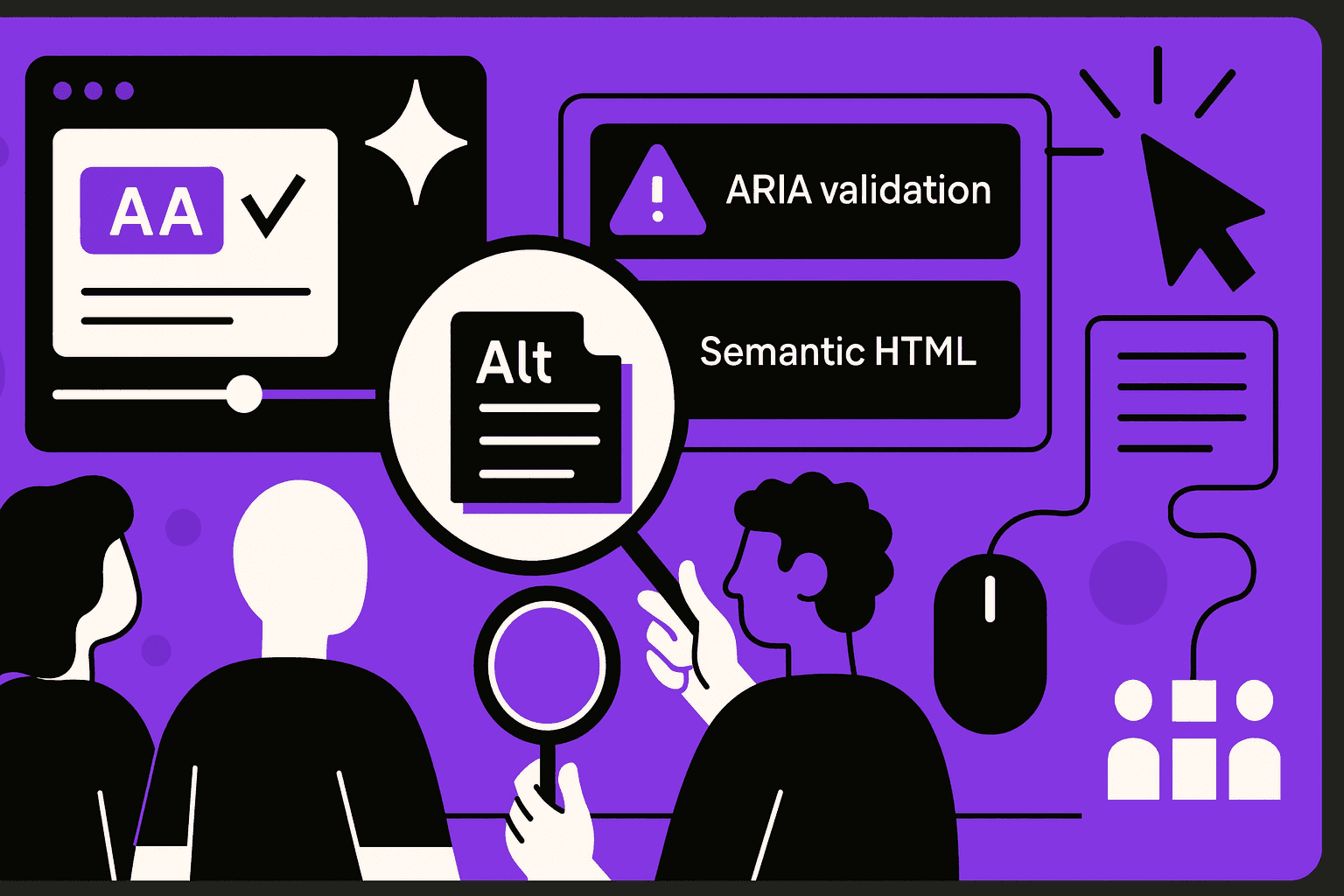
Operational Impact: Bottlenecks and Team Slowdowns
Lack of accessibility causes friction for product, development, and support teams.
Operational Problems That Arise
Developers spend more time fixing avoidable defects
QA teams struggle without clear accessibility requirements
Support teams receive repeated complaints from blocked users
Designers must rework components to align with inclusive design
By embedding WCAG guidelines, semantic markup, and proper ARIA labels early, teams speed up development cycles and reduce technical debt.
Table: Accessibility Problems vs. Their Long-Term Costs
Accessibility Problem | Long-Term Cost | Prevention Strategy |
|---|---|---|
Missing semantic HTML | High rework cost, broken workflows | Implement semantic structure during component creation |
Incorrect ARIA labels | Screen reader failures | Follow ARIA best practices and validate with tools |
Poor color contrast | High bounce rates & compliance failures | Use a color contrast checker early in design |
Missing alt text for images | Legal risk & content inaccessibility | Build alt-text prompts into content workflows |
No regular accessibility audit | Scaling defects and lawsuits | Quarterly audits + automated tools in CI/CD |
Lack of accessible web design | Lost enterprise clients | Adopt inclusive design as a core requirement |
Why Accessibility Testing Tools Are Essential
Modern teams use automation and manual checks. Automation helps catch the issues fast. From my work, I see that accessibility testing tools check HTML structure, color contrast, navigation, and ARIA practices. Accessibility testing tools risk.
Accessibility testing tools speed up compliance. When accessibility testing tools find problems early, the team can fix them before they become issues. I use the tools with CI/CD. The tools integrate with CI/CD. The tools stop regressions before regressions reach the users.
Conclusion
Skipping accessibility in enterprise SaaS costs more than fixing accessibility. I have seen teams ignore accessibility and then spend later. The compliance failures, the legal exposure, the lower user experience quality, and the reduced customer trust all hurt revenue. The WCAG guidelines, the HTML, the ARIA, labels the continuous accessibility audits help teams build platforms that can grow and are open to all that meet the rules for enterprise SaaS.